

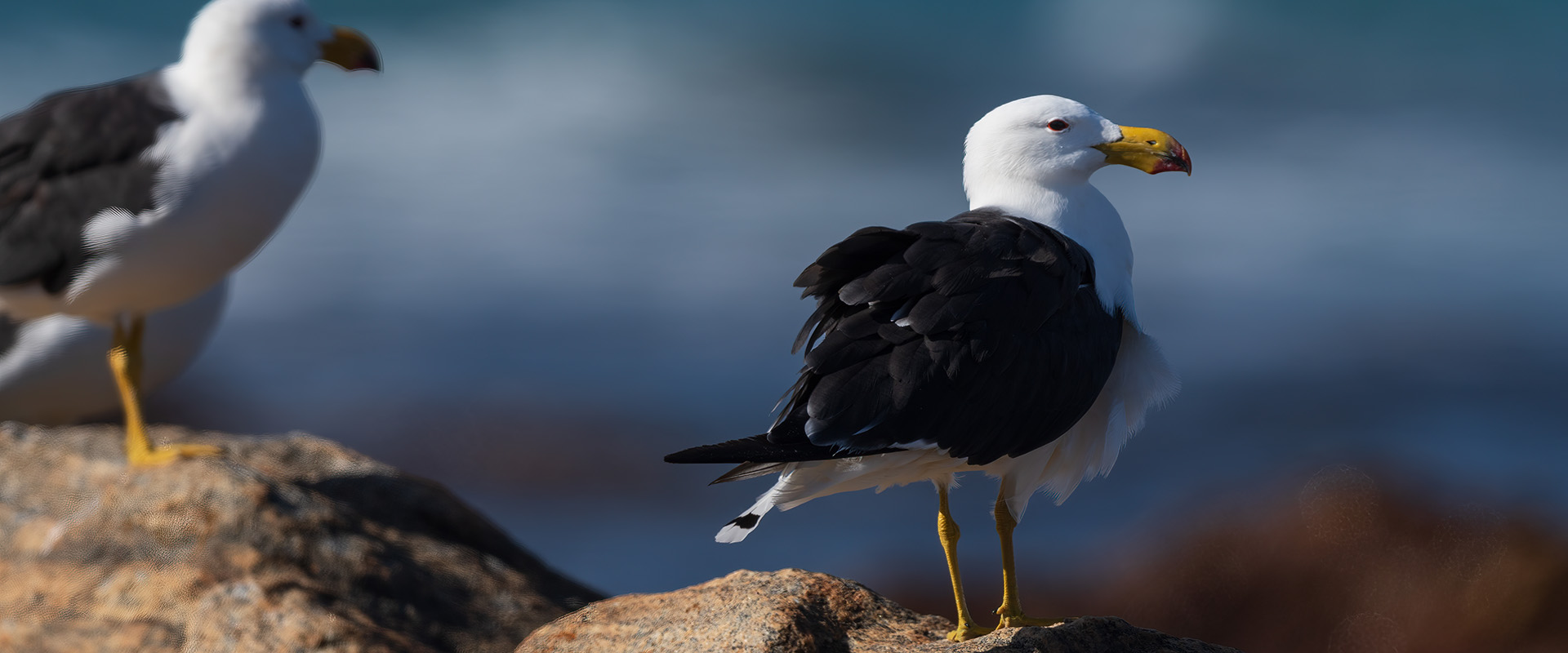
Report signs of H5 bird flu
If you notice sick or dead birds or other animals, do not touch them or get too close. Take photos if safe to do so, note your location and report it.
Call the 24-hour Emergency Animal Disease Hotline on 1800 675 888.
If you notice sick or dead birds or other animals, do not touch them or get too close. Take photos if safe to do so, note your location and report it.
Call the 24-hour Emergency Animal Disease Hotline on 1800 675 888.

H5 bird flu can infect other animals. Know how to keep your pets safe.
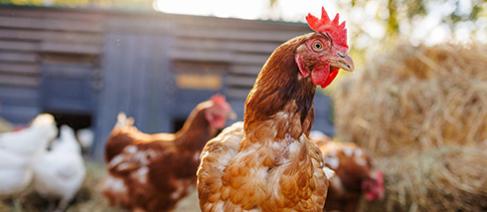
Simple steps to help you keep your chickens and other birds safe.
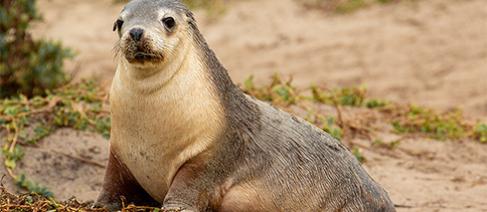
What to look for while you’re out and about, and information for wildlife carers.
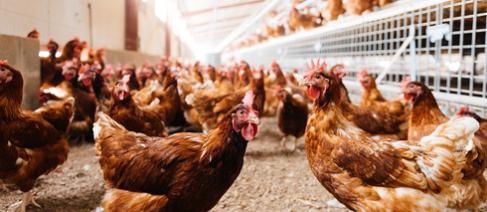
On-farm biosecurity measures for producers.
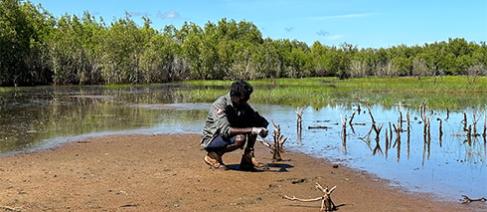
Ways that First Nations communities can reduce the impact of H5 bird flu.
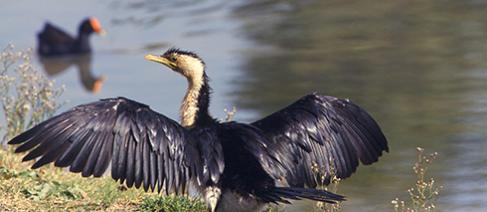
What is H5 bird flu and how it spreads.

*Positive events

Hotline reports
Data current as of 4.00pm AEST, 25 September 2026.
*From 12 August 2026, we have changed how we report on H5 bird flu detections. Reporting will be based on events, rather than individual detections. The new number of positive events captures all previously reported individual confirmed detections.

Labels on free-range chicken and eggs may change to reflect biosecurity measures.

Vets play a crucial role in early detection and reporting of H5 bird flu.

What you can do to protect your physical and mental health.
Use these resources to educate and raise awareness of H5 bird flu.
Common questions and answers on the impact of H5 bird flu in Australia.
See the latest data, news and updates on H5 bird flu in Australia.
Department of Climate Change, Energy, the Environment and Water.
Australian Centre for Disease Control.