What to look for
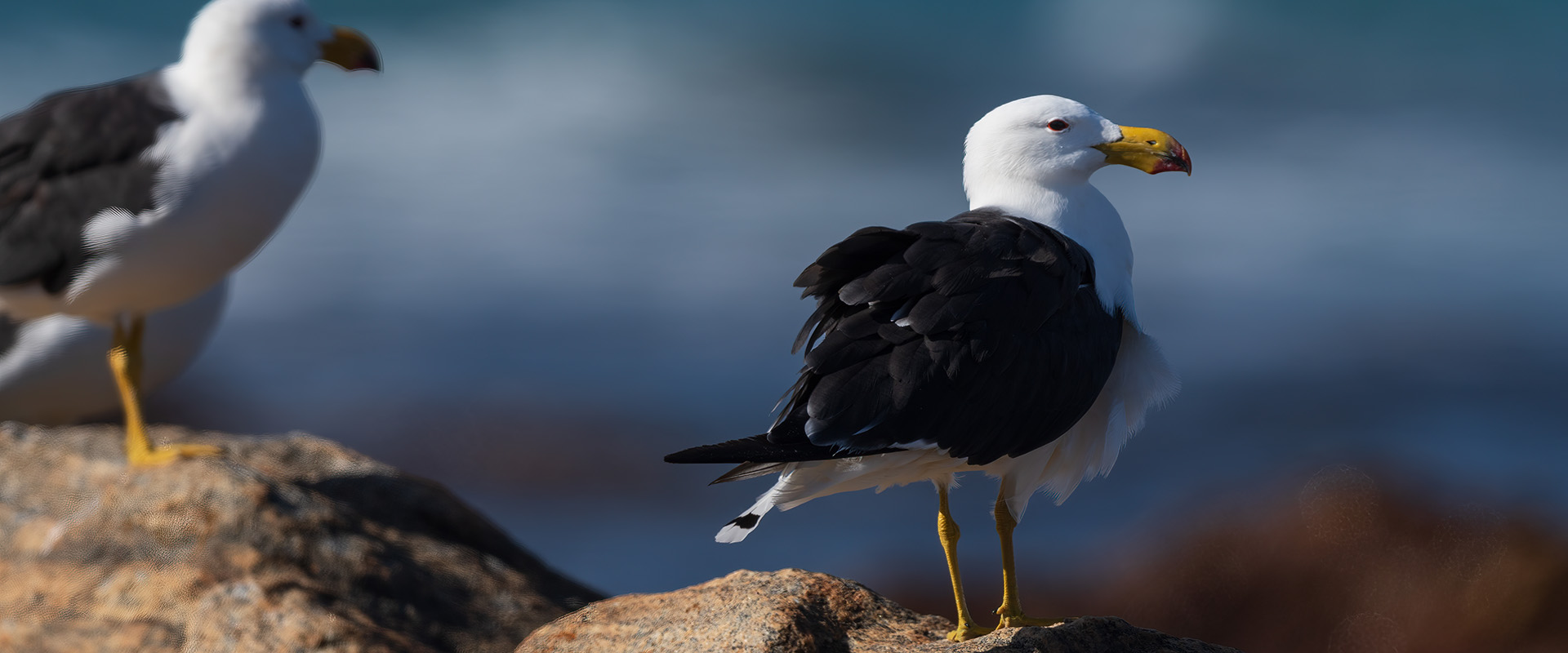
H5 bird flu has had a significant impact where birds gather in large numbers. This includes among ducks and geese, seabirds and birds of prey (birds that eat other animals).
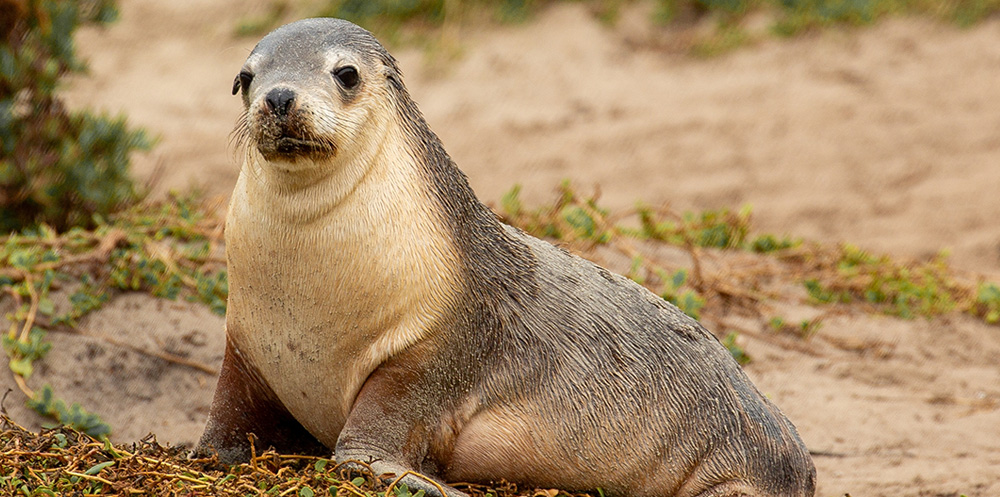
In other countries, the virus has only affected mammals and birds. Not other animals like reptiles, fish and amphibians.
If you’re visiting nature trails, beaches, wetlands or other areas with wildlife, keep watch for signs of sick or dead animals. Know how you can help protect our wildlife.
See more on reducing the spread of disease in native wildlife.
If you see sick or dead wildlife
Bird flu is a notifiable animal disease. You must report any sick or dead birds.
Avoid contact
If you see sick or dead birds or other animals, keep your distance.
Don’t touch them, their fur or feathers, dropping, eggs, or the area around them. Keep pets away too – don’t let them sniff, touch, or eat the sick or dead animal.
See more on bird flu and human health (Australian Centre for Disease Control).
Record what you see
If safe, take photos or a video. Remember to keep your distance.
Record these details:
- date and time
- location (GPS pin, nearby roads, or landmarks)
- type or description of birds
- how many animals are sick or dead
- what they look like (e.g. freshly dead or just bones, signs of disease).
Report signs of bird flu
Bird flu is a notifiable animal disease. You must report it if you suspect a bird or other animal is infected.
Call the 24-hour Emergency Animal Disease Hotline on 1800 675 888.
Safe disposal of dead birds
Only consider disposing of dead birds on your property after you speak to the Emergency Animal Disease Hotline.
It is important to dispose of dead birds safely. If you don’t, you could risk getting sick or spreading the virus to other animals.
On your property
Report sick or dead birds. Follow any instructions on what to do with the carcass.
After reporting, you are responsible for disposing of dead birds found on your property if you do not wish to leave the carcass to decompose where it is.
Guidance and requirements on disposal of dead wildlife may vary between and within states and territories. It may also depend on the situation.
Check with your state or territory before you act.
On public land
If you are not the property owner, leave any dead birds or animals where they are and report what you have found. Find out how to report.
Leaving carcasses to decompose is sometimes safer and less disruptive in remote areas. Clean-up could cause wild birds to scatter and spread the virus further.
Public access to the area may be limited during clean-up or decomposition. This is to keep people safe and reduce disturbance.
Wildlife carers
How you work with and care for wildlife is important to help protect Australia’s unique wildlife. To help reduce the spread of disease you should:
- have a biosecurity plan in place
- make sure injured or sick birds in care do not mingle with any pet birds or other animals
- keep aviaries and animal handling equipment clean, this includes bedding.
Wildlife Health Australia has a free online toolkit for people who care for wildlife.
People who manage wildlife populations can take steps to prepare for a potential outbreak.
You need to be aware of:
- the signs and symptoms of H5 bird flu
- how it spreads
- how to prepare your property or site.
Resources
Work safely with birds:
Biosecurity and wildlife incidents: