Signs of H5 bird flu
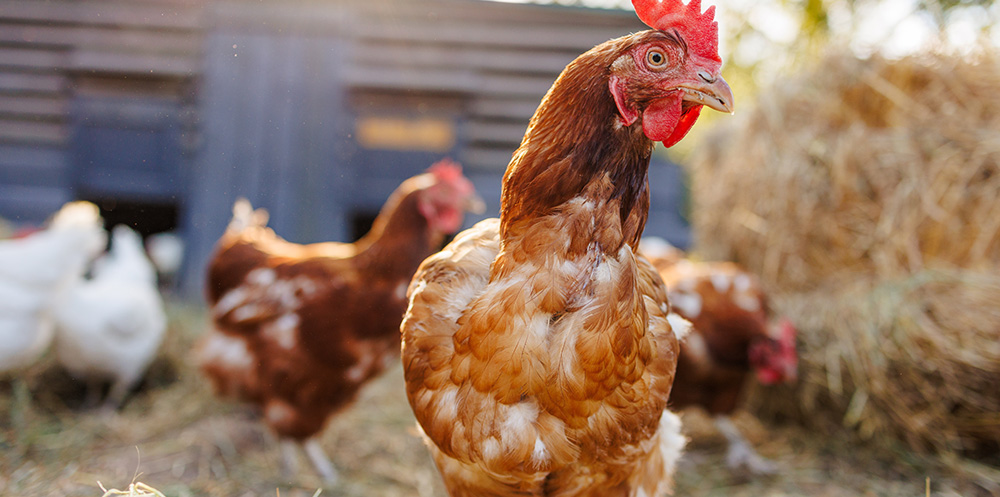
H5 bird flu often affects several or all birds in a flock. Signs may include:
- lethargy or reluctance to walk, eat or drink
- droopy appearance or ruffled feathers
- head or limb swelling
- bruising of the wattle, comb, feet or skin
- respiratory signs such as panting, nasal discharge or sneezing
- diarrhoea
- unusual head or neck posture, incoordination, inability to walk or stand
- unusual reduction in egg production
- sudden death.
Bird flu can only be confirmed through laboratory testing of samples collected by a veterinarian or government animal health officer.
Report signs of H5 bird flu
H5 bird flu is a notifiable animal disease. You must report it if you suspect a bird or other animal is infected.
Call the 24-hour Emergency Animal Disease Hotline on 1800 675 888.
Protect your birds
H5 bird flu spreads easily. It can infect pet birds and backyard poultry through contact with:
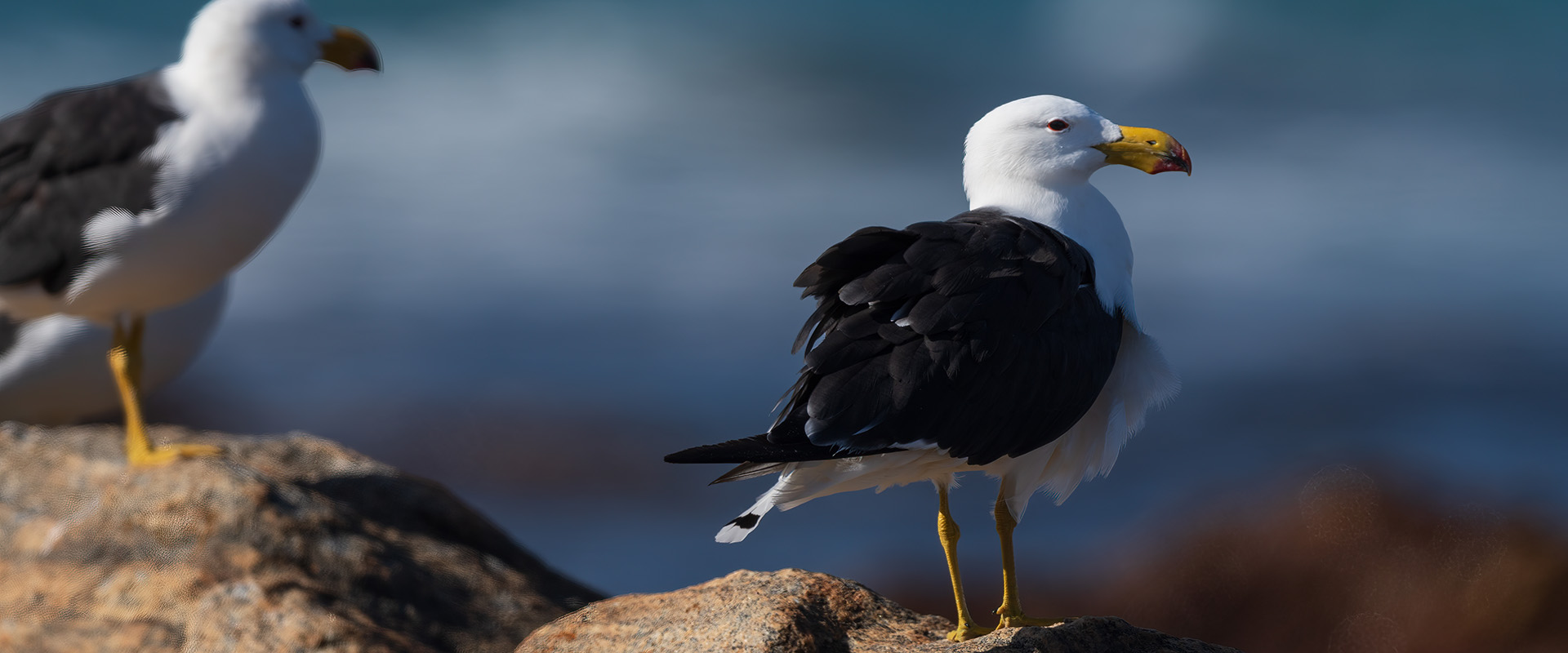
- infected wild birds or feral chickens
- contaminated clothing, shoes, equipment, egg cartons, or vehicles.
These simple steps can help protect your birds.
Keep bird areas clean
- Remove litter, sand and grit from the aviary between batches of birds, and every few months for resident birds.
- Thoroughly clean floors, walls and aviary wire with soapy water. Apply disinfectant after cleaning.
- Clean and disinfect feed and water containers regularly.
- Don't share equipment with other birdkeepers unless it has been thoroughly cleaned and disinfected.
Reduce contact with wild birds
- Prevent access to open ponds, lakes and creeks.
- Protective netting or keeping birds housed can help prevent wild birds from mingling with yours.
- Clean up surrounding areas to reduce shelter and hiding places for wild birds.
Keep feed and water clean
- Ensure water supplied to birds is from a chlorinated mains water supply or a clean bore. If these sources aren't available, use water that has been properly treated (see the Water Biosecurity Manual).
- Don't allow wild birds or pest animals to contaminate your birds feed. Store it in a container with a secure lid.
Practice good hygiene
- Always thoroughly wash your hands with soap before and after handling birds.
- Clean your footwear and wash clothing regularly. Avoid using the same clothing and footwear around your own birds if you have visited other flocks or events such as shows.
Limit visitor access
- Restrict access to bird areas.
- Ask visitors to wash their hands. Practice good hygiene and put on clean protective clothing. Use footbaths containing the correct disinfectants at the entrance to bird areas or sheds.
- Keep a record of visitors, including any movement between poultry farms.
Quarantine new birds
- Isolate new birds for at least 30 days before introducing them to your existing flock.
- Always source birds from a reputable producer or breeder whose bird health status is known.
- Always buy healthy birds and avoid buying them from markets.
- Feed and clean quarantined birds after you have tended to other birds.
Watch
Videos from the Australian Chief Veterinary Officer.
Bird shows and exhibitions
Exhibitions pose an increased risk of disease spread. This is because birds are brought in from many states and towns.
- Do not take any birds to a show if there are signs of illness in your flock.
- All bird equipment and permanent carrying containers should be cleaned and disinfected before and after a show.
- At the show, avoid handling birds other than your own, if possible.
- At home, show birds should always undergo a period of quarantine before returning to the flock.
- Keep a register of all bird movements onto and off your properties.
Resources
Help you protect your bird at shows:
Protect yourself
If you encounter sick or dead birds or other animals:
- Avoid direct contact if possible.
- Wash hands thoroughly after any contact.
- Clean and disinfect clothing, footwear and equipment.
- Keep children and pets away.
See more on H5 bird flu and human health (Australian Centre for Disease Control).