
Across southern Australia, dry conditions have placed significant pressure on our farmers, small businesses, and rural communities.
Our farmers and the Australian agriculture sector are vital to:
Help is available if, and when you need it.
Across southern Australia, dry conditions have placed significant pressure on our farmers, small businesses, and rural communities.
Our farmers and the Australian agriculture sector are vital to:

Ensuring food security

Drive innovation and sustainable practices

Supporting rural and regional communities
We recognise the far-reaching impacts of drought — not just for farmers, their businesses, and their livelihoods, but for their families, their communities, and their overall well-being.
That’s why we have a range of support programs and services that are always available. They are designed to provide timely, practical support—helping farmers and rural communities stay strong and resilient through challenging conditions.
Under the National Drought Agreement, we are working with states and territories to deliver a coordinated and collaborative response to drought across the country.
Across southern Australia, state governments are coordinating responses – rolling out tailored drought support programs and initiatives.
We have a range of programs to support those in hardship, including drought.
These programs are always available without the need for a formal drought declaration.
Programs available:
These programs are helping Australian farmers now. See how our programs can help you.
The Farm Household Allowance has helped farmers and their partners through hardship.
‘We had one year when the actual harvest was very minimal, and we didn’t come anywhere near covering the cost of actually growing the grapes. The FHA has been pivotal for us. We wouldn’t be here today if we hadn’t of got that, we would’ve had to disappear…’
Sue and Pete
RFCS is about more than numbers. It’s about support for those in need when it matters most. Thousands of people across the country have already benefited from this service, and many say it’s been life changing.
‘Working with the RFCS team has helped us enormously with the flood grants and the concessional loans...'
'...RFCS has put us in contact with Centrelink and helped us navigate the paperwork and different allowances we were eligible for. Otherwise we wouldn’t have known they were available, which has been really important.’
Bianca and Brett, farmers from Victoria
The RIC Drought Loan is a specific loan product. It can be used to manage through drought by covering outstanding bills, purchasing fodder, or carting water for livestock or produce.
'Having the RIC loan has really improved our businesses cash flow, being able to structure the payments in slightly different terms to our commercial bank, helps us budget throughout the year...'
'It’s a significant saving on the rate offered by our commercial bank which obviously assists with putting more cash back into the business. We can fund improvements that otherwise would have been more of a struggle to meet.'
RIC loan recipient
‘The RIC offers some really flexible payment terms which really suit the agricultural industry. We do feel like we’re dealing with a body that understands the ups and downs of agriculture and we’ve got a lot more time from a breathing perspective, we’ve bought ourselves an extra sort of five plus years with that cashflow security.’
RIC loan recipient
The Australian Taxation Office (ATO) also offers various taxation measures to support primary producers during hardship.
Taxation measures include:
The emergency support line 1800 806 218 is also available to help farmers understand available options.
Other than the immediate support we provide during drought, we also have programs and initiatives to help you prepare for the future. They complement and build on state and territory efforts to ensure no one faces drought alone.
Programs available include those delivered by the Future Drought Fund such as:
We also aim to help rural communities strengthen their preparedness and resilience for future droughts through the FDF Communities program..
Farm Management Deposits (FMDs) can help farmers build up their cash reserves. This means they can access to extra finances when times are tough, like during drought.
Farmers can use the money they draw down to cover any farm-related expenses. This ensures they have the resources to maintain their operations during challenging periods.
Scroll the map to explore the number of accounts and value of deposits in each state and territory.


Number of accounts: 49
Value of deposits: 7,336
Figures as at November 2025.

Number of accounts: 8,536
Value of deposits: 1,423,204
Figures as at November 2025.

Number of accounts: 10,594
Value of deposits: 1,405,499
Figures as at November 2025.

Number of accounts: 11,143
Value of deposits: 1,544,736
Figures as at November 2025.

Number of accounts: 781
Value of deposits: 107,616
Figures as at November 2025.

Number of accounts: 5,581
Value of deposits: 836,926
Figures as at November 2025.

Number of accounts: 3,568
Value of deposits: 654,094
Figures as at November 2025.
Drought can have significant impacts on the mental health and wellbeing of our farmers, their families and their communities.
The Australian Government works with states and territories to improve the mental health of all Australians, including those in regional and rural Australia.
They are independent, not-for-profit organisations that assess the health needs of their regions and commission services to meet them.
These centres provide access to free, quality mental health care over extended hours, with a number of centres located in regional Australia.
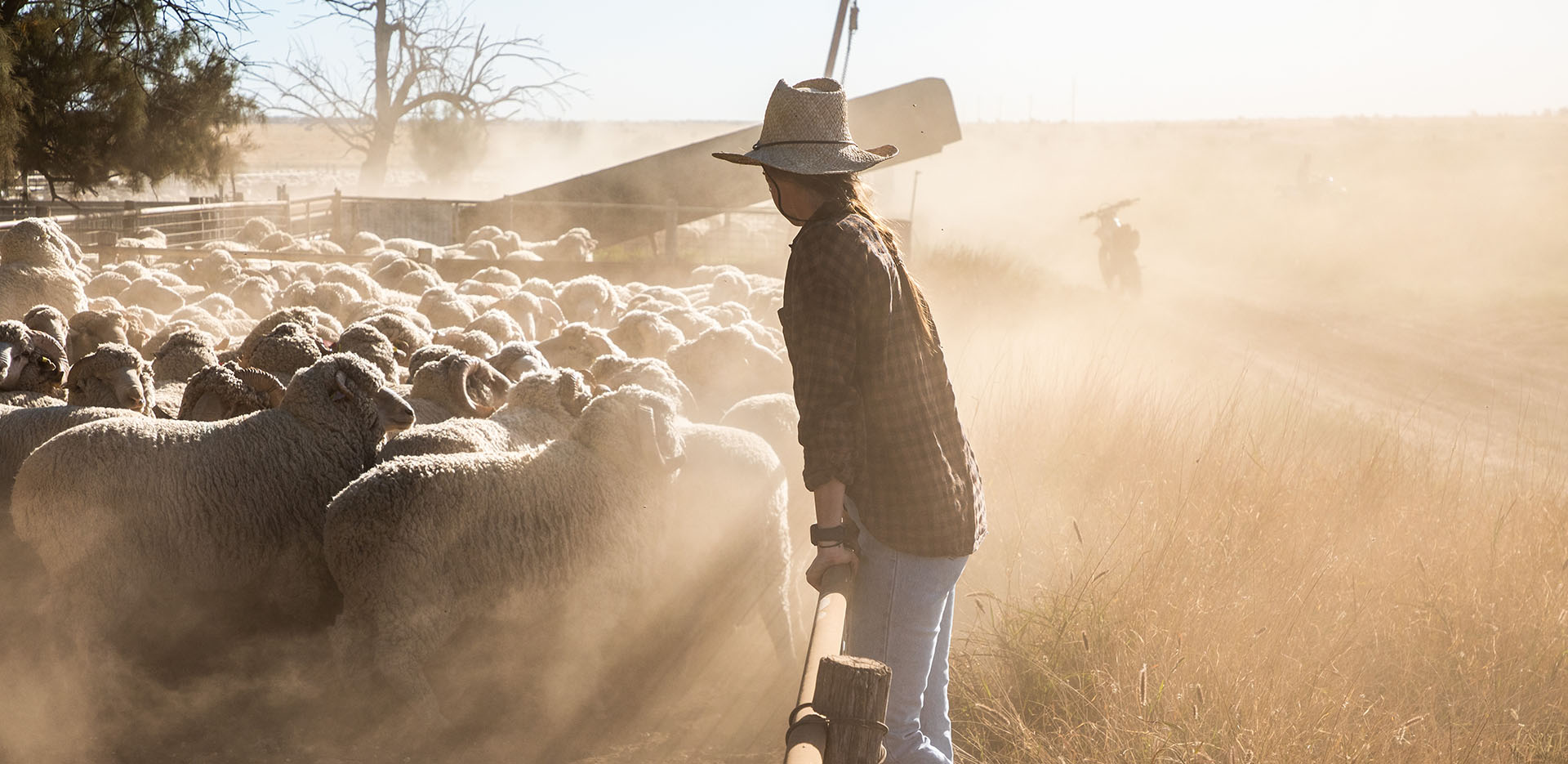
Our farmers produce high quality food and fibre even in the face of challenging conditions such as drought. They have responded to drought by adapting and innovating.
If you are in hardship and need support, don’t wait – support is available if and when you need it.