
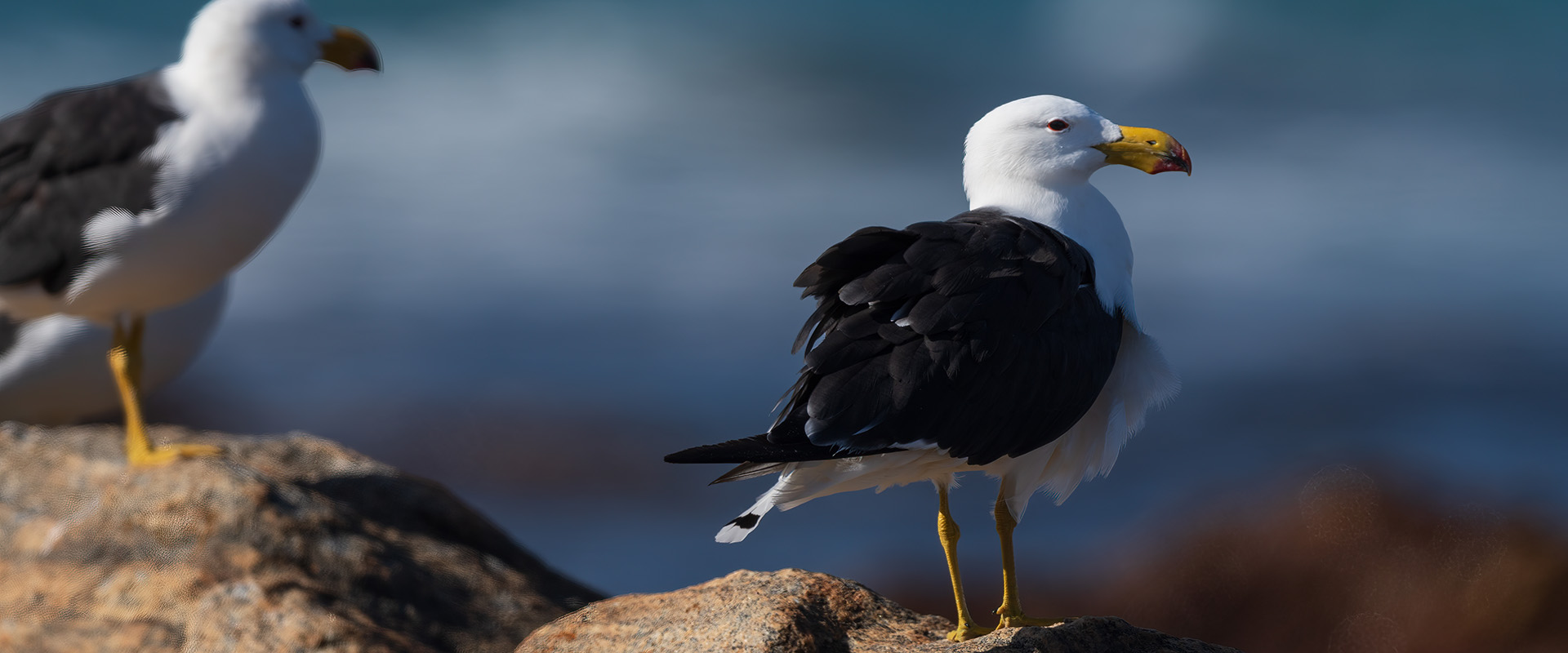
June 2026 H5 bird flu detection

As of 9am AEST, 7 July 2026, Australia has seven confirmed (or presumed) detections of H5 bird flu in wild birds.

There are five confirmed in Western Australia (WA), one in South Australia (SA) and one in New South Wales (NSW).

There is no evidence of any mass mortality. There is no evidence of infection in poultry or the wider agriculture industry.

The risk to human health remains low.

Australia is well prepared to respond quickly.

If you notice sick or dead birds or other animals, you should not touch them or get too close. Record your location and report it to the 24-hour Emergency Animal Disease Hotline on 1800 675 888.
More information is available in the update below.

Find out more

What you can do

Australian wood duck

About bird flu

What is bird flu and how does it spread.

Toddler holding a rooster

Human health

Staying safe when handling birds.

Girl petting her pet cockatiel bird perched on her leg

Protect your birds

Simple steps you can take to help protect your backyard poultry and other birds.

Activity on a Farm, Involving Cows and Drones

Poultry and other farmers

On-farm biosecurity measures for producers.
A vet holding a ginger cat

Vets

Vets play a critical role in early detection and reporting of bird flu.

Sea lions lying on a beach

Wildlife

Information for wildlife carers and how the community can help protect Australia's unique wildlife.

Detection of H5 bird flu in Australia

Australia confirmed its first detections of H5 high pathogenicity avian influenza (H5 bird flu) in June 2026.

This is the serious H5 bird flu strain that has been circulating globally.

There have only been detections in migratory seabirds.

There are no detections in poultry and no evidence of large-scale deaths in any animals.

The current risk of bird flu to people in Australia is low. More information can be found at: Australian Centre for Disease Control.

Australia is well prepared to respond to H5 bird flu and has well-established national response arrangements in place to respond to animal disease incidents.

Find out more about bird flu in your state or territory.

What you can do

The community is encouraged to report any dead or sick birds or animals showing  signs of bird flu.

If you see sick or dead birds or other animals, do not touch them.

Avoid contact. Record what you see. Report it to the Emergency Animal Disease Hotline on 1800 675 888 from anywhere in Australia.

What we are doing

Learn about our surveillance programs and how the government has been preparing.

See what we've done to prepare for bird flu

Resources for bird flu

Resources to educate and raise awareness of H5 bird flu.

Download fact sheets and other bird flu resources

Silhouette of rooster on a fence

Keep up to date

Whether you keep one chicken or a whole flock, Poultry Post is your go-to newsletter for biosecurity tips, H5 bird flu updates and expert advice to keep your birds safe.

Subscribe to Poultry Post

News

H5 bird flu testing updates

Monday, 6 July

Testing at CSIRO’s Australian Centre for Disease Preparedness (ACDP) has determined the giant petrel found in the Perth North Metropolitan Area (Whitfords - Mullaloo beach) of Western Australia is presumed positive for H5 high pathogenicity avian influenza (bird flu). 

H5 bird flu testing update Saturday

Saturday, 4 July

Testing at CSIRO’s Australian Centre for Disease Preparedness has confirmed H5 high pathogenicity avian influenza (bird flu) in a sample taken from a giant petrel found near Hawks Nest in New South Wales.  

H5 bird flu update

Saturday, 4 July

The Consultative Committee on Emergency Animal Diseases (CCEAD) met yesterday, following two additional suspect detections of H5 bird flu in migratory sea birds in NSW and Western Australia, to discuss the current situation and appropriate response activities.

Reporting bird flu

If you notice sick or dead birds or other animals, you should not touch them or get too close. Record your location and report it to the 24-hour Emergency Animal Disease Hotline on 1800 675 888.

See more on reporting suspected bird flu