Skip to main content Skip to main navigation Skip to search
Home

Top navigation main

  • News & media
  • Jobs
  • Ministers
  • Contact us
Main menu

AWE Main

  • Agriculture and land
    Agriculture and land Building stronger and more sustainable agriculture, fisheries, forestry and land care.
    • Animal health
    • Climate change and agriculture
    • Drought, disaster and rural support
    • Farming, food and drought
    • Fisheries
    • Forestry
    • Levies and charges on agricultural products
    • Mouse infestation advice
    • Plant health
    Xylella

    Protect against unwanted plant pests

    Our biosecurity system helps protects us. Everyone has a role in supporting our biosecurity system.

    Find out more

  • Biosecurity and trade
    Biosecurity and trade
    • Aircraft, vessels and military
    • Biosecurity policy
    • Cats and dogs
    • Exporting
    • Importing
    • Pests, diseases and weeds
    • Public awareness and education
    • Trade and market access
    • Travelling or sending goods to Australia
    • Report a concern
    Brown marmorated stink bug

    BMSB Seasonal Measures

    Australia has strengthened seasonal measures to manage the risk of BMSB.

    View our seasonal measures

  • Science and research
    Science and research Undertaking research and collecting data to support informed decisions and policies.
    • Australian Bureau of Agricultural and Resource Economics and Sciences (ABARES)
    • Plant Innovation Centre
    Abares

    ABARES Insights

    Get 'snapshots’ of agricultural, forestry and fisheries industries, or analysis of key issues.

    Find out more

  • About us
    About us We enhance our agricultural industries and trade, and manage the threat of biosecurity risks to Australia.
    • Accountability and reporting
    • Assistance, grants and tenders
    • Contact us
    • Fees and charges
    • News and media
    • Our commitment to you
    • Payments
    • People and jobs
    • Publications
    • What we do
    • Who we are
    Budget 2025-26

    Budget 2025-26

    The 2025–26 Portfolio Budget Statements were released on 25 March 2025.

    Find out more

  • Online services
    Online services We do business with you using online platforms. This makes it easier for you to meet your legal requirements.
Department of Agriculture

Breadcrumb

  1. Home
  2. Biosecurity and trade
  3. Pests, diseases and weeds
  4. Animal pests and diseases
  5. Avian Influenza or Bird Flu
  6. Report suspected bird flu

Sidebar first - Pests diseases weeds

  • Avian influenza (bird flu)
    • Report suspected bird flu
    • About bird flu
    • Help protect against bird flu
      • Bird owners and bird flu
      • Poultry farmers and bird flu
      • Vets and bird flu
      • Wildlife and bird flu
    • Bird flu in humans
    • What we are doing to prepare for bird flu
    • Resources for bird flu

Report suspected bird flu

If you notice sick or dead birds or other animals, you should not touch them. If there are multiple dead birds or other animals, take photos or a video.

Record your location and report it to the 24-hour Emergency Animal Disease Hotline on 1800 675 888.


Why report

It is important to report any dead or sick animals showing signs of bird flu so that we can detect the virus early.

Reporting early:

  • helps us detect H5 bird flu early
  • supports a quick response
  • builds on our understanding of the disease.

This includes:

  • poultry and pet birds including backyard poultry (like chickens, ducks and aviary birds)
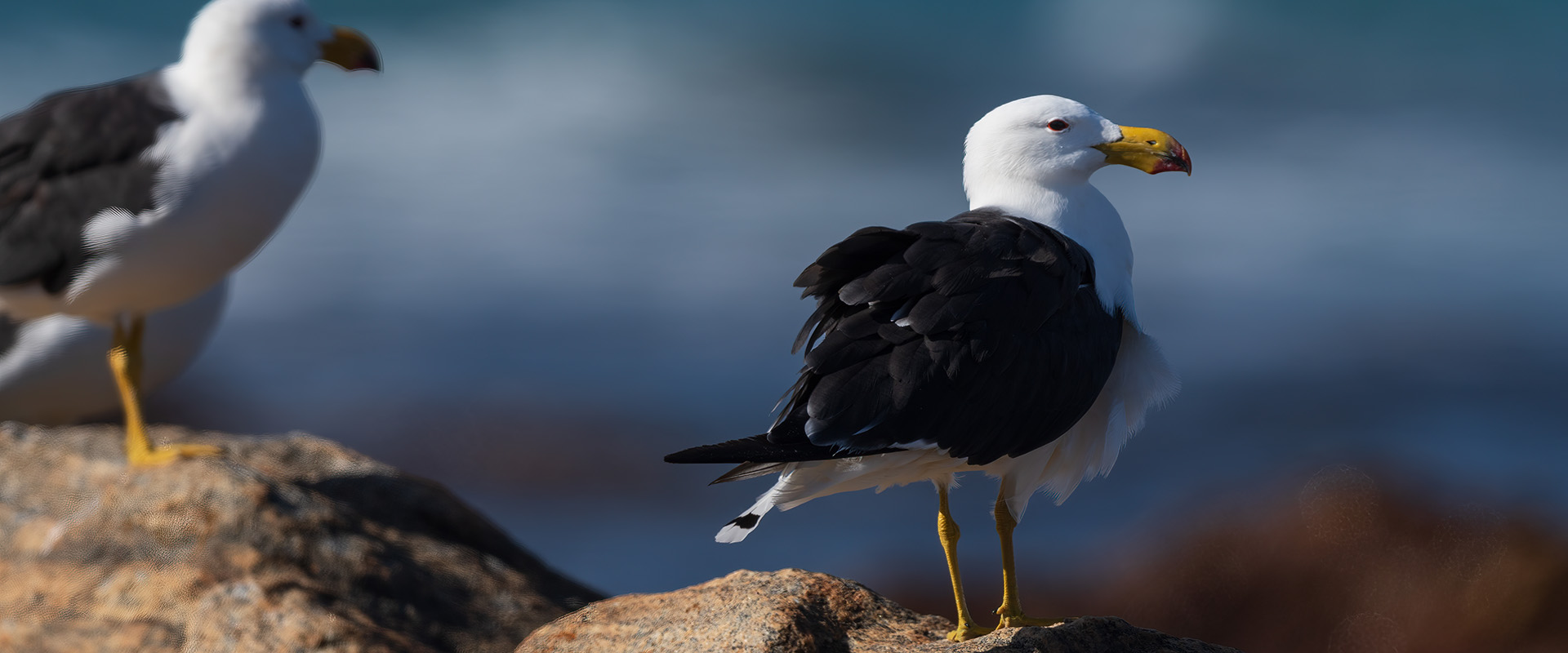
  • wild birds and other animals
  • feral animals like chickens, cats or rats
  • marine mammals like seals and sea lions.

When to report

If you spot sick or dead birds or other animals you should report it to the Emergency Animal Disease Hotline as soon as possible. Record what you see (but don't touch them or let your pets get too close) and include:

  • date and time
  • location (GPS pin, nearby roads, or landmarks)
  • type or description of birds or animals
  • how many birds or other animals are sick or dead
  • what they look like (e.g. freshly dead or just bones, signs of disease)
  • if safe, take photos or ideally a video.

Report multiple sick or dead birds or other animals.

Call the 24-hour Emergency Animal Disease Hotline on 1800 675 888.

What happens after you make a report

When you report sick or dead birds or other animals, the details you share are reviewed. This may lead to further investigation such as:

  • a site visit
  • sample collection for bird flu testing.

Other ways to report suspected bird flu

State and territory

  • New South Wales - Report a pest or disease
  • Victoria – Report sick or dead wild birds and wildlife
  • Queensland - Report a biosecurity pest or disease or call Biosecurity Queensland on 132 523
  • South Australia - Reporting animal disease - PIRSA
  • Western Australia - Avian influenza: Signs and how to report
  • Tasmania - Report Sick or Dead Birds
  • Northern Territory - Report a wild bird disease (wild birds only)
  • Australian Capital Territory – Contact ACT biosecurity

Reporting on Norfolk Island, Christmas Island and Cocos (Keeling) Islands

  • Call the 24-hour Emergency Animal Disease Hotline on 1800 675 888.
  • This is an international call from Norfolk Island, so dial 0061 before the number or call the Norfolk Island Regional Council on 0100 (9am to 4pm) for assistance placing the call. When prompted, choose Option 2 for your location.
  • For Christmas and Cocos (Keeling) Islands – when prompted, choose Option 5 for your location.

General enquiries

Call 1800 900 090

Contact us online

Report a biosecurity concern

Thanks for your feedback.
Thanks! Your feedback has been submitted.

We aren't able to respond to your individual comments or questions.
To contact us directly phone us or submit an online inquiry

CAPTCHA
This question is for testing whether or not you are a human visitor and to prevent automated spam submissions.

Please verify that you are not a robot.

Skip
Page last updated: 01 December 2025

We acknowledge the continuous connection of First Nations Traditional Owners and Custodians to the lands, seas and waters of Australia. We recognise their care for and cultivation of Country. We pay respect to Elders past and present, and recognise their knowledge and contribution to the productivity, innovation and sustainability of Australia’s agriculture, fisheries and forestry industries.

Artwork: Protecting our Country, Growing our Future
© Amy Allerton, contemporary Aboriginal Artist of the Gumbaynggirr, Bundjalung and Gamilaroi nations.

Footer

  • Contact us
  • Accessibility
  • Disclaimer
  • Privacy
  • FOI

© Department of Agriculture, Fisheries and Forestry

Facebook X LinkedIn Instagram