JBO Recorded Excursion Years 1-2 (Mail)
(Duration 5 mins 55 secs)
Introduction
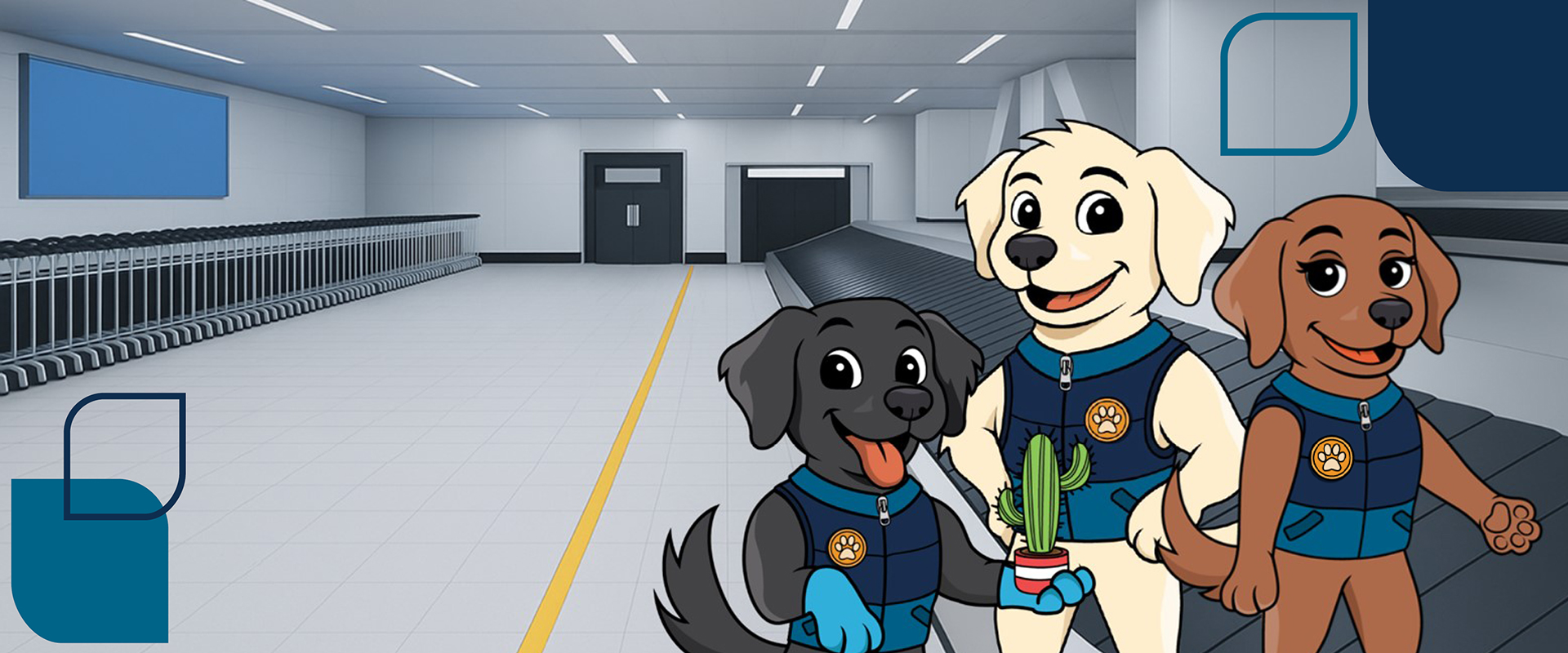
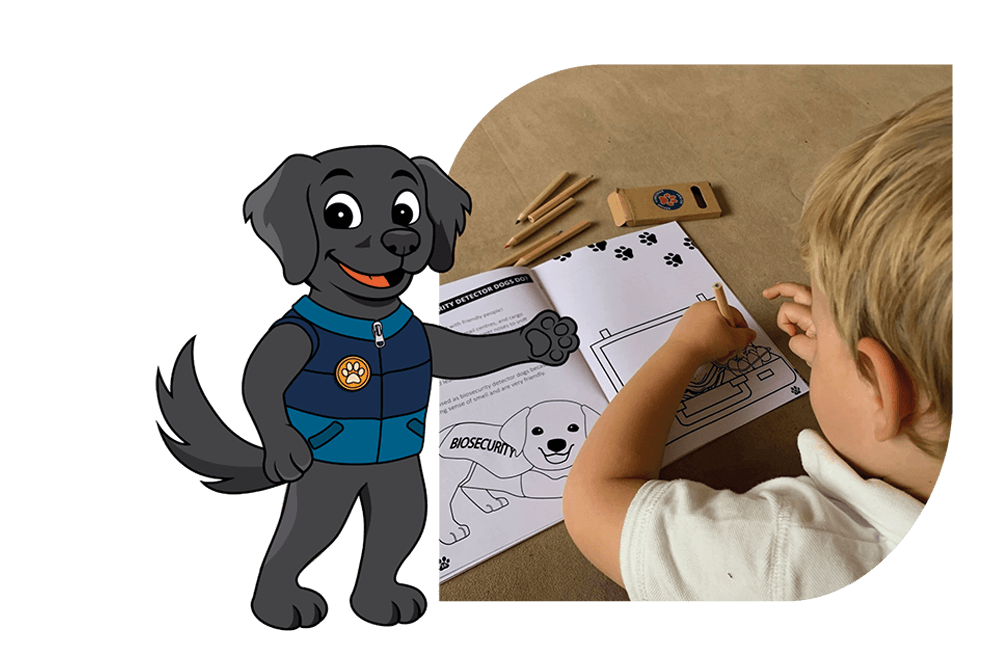
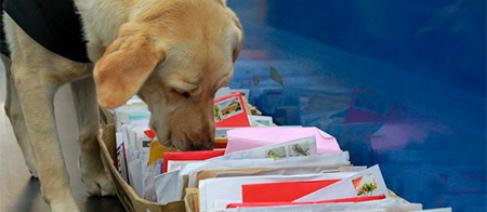
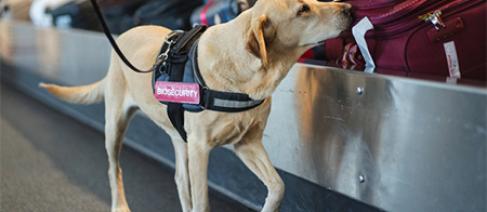
This is the transcript of a real life and animated tour of the Melbourne Mail Gateway facility to help teachers introduce biosecurity concepts to primary school age children. This is part of a curriculum-aligned program for year 1-2 in Australian primary schools. Images on screen: Scout (Speaker 1), an animated Junior Biosecurity Officer who is a dog, stands in front of a conveyor belt for international mail items. Also on screen is Jess (Speaker 2), a Biosecurity Officer with a biosecurity detector dog on a leash.
Transcript
[Video begins]
Speaker 1: Hi, I'm Scout. I'm a Junior Biosecurity Officer. Today I'm taking you behind the scenes at the Melbourne Gateway facility. You wouldn't believe the weird and whacky things people try to send to Australia in the mail. We're going to start on the conveyor belt. Everyday thousands of parcels and letters from around the world arrive here. They may look similar on the outside, but sometimes they can have bad things inside. Let's meet someone who knows all about sniffing out these sneaky items. Hi, what's your name and what do you do here?
Speaker 2: Hi, Scout. I'm Jess, a biosecurity detector dog handler. My job is to work with my detector dog, Xanthi to sniff out items that could contain exotic pests and diseases. Did you know a biosecurity detector dog's nose is so powerful it can smell things we can't even see? Biosecurity detector dogs can sniff out a single seed hidden deep inside a parcel.
Speaker 1: Wow, it sounds like a serious job. What kinds of things are you looking for?
Speaker 2: Great question. Xanthi is trying to find things like food, seeds, plants, meat and even insects. Things that might seem OK but could be really bad.
Speaker 1: Like what?
Speaker 2: We've seen sausages wrapped in socks and even big wheels of cheese. People don't always realise, but these items can carry serious pests and diseases that could harm our farms, animals or native plants.
Speaker 1: Sausages in socks, my two favourite things. I can't believe someone would send that in the mail though.
Speaker 2: Yes, we could hardly believe it. That's why we check the mail carefully, but we don't do it alone. There's a whole team of us and we have technology to help too.
Speaker 1: Check this out. It's the X-ray area. Biosecurity Officers use the X-ray machine to screen mail and look for risky items to see if they need to check them. The X-ray machine gives officers a bit of a sneak peek inside. If something doesn't look right, they pull it aside for a closer look. So what happens when the Biosecurity Officer spots something that doesn't look right?
Speaker 2:
That's when they take it to the inspection area. Want to come see what happens there?
Speaker 1: This is the inspection area where Biosecurity Officers are hard at work to help keep Australia safe. So, Jess, what happens next?
Speaker 2: Biosecurity Officers check suspicious items. If we find something that's not allowed, it's either treated, sent back or destroyed.
Speaker 1: Whoa. So, what if someone sends something like a plant from overseas?
Speaker 2: That plant could carry something like Xylella Fastidiosa.
Speaker 1: Xylella what? That sounds like a magic spell.
Speaker 2: Xylella fastidiosa. Yeah, and it's also difficult to spell. It's one of the world's worst plant diseases. And if it spread to Australia, it could hurt lots of food plants like grapes, olives and even fruit and nut trees.
Speaker 1: Whoa, so one tiny plant could be so bad. That's wild. What's the weirdest thing you've ever found?
Speaker 2: Hmm. People sometimes try to send fresh fruit in the mail.
Speaker 1: Haha what? That's bananas.
Speaker 2: It sure is. That's why we open and inspect anything suspicious. It's serious work and every day is different. Mail may seem small but as you have learned it could cause big problems. Biosecurity is all about protecting Australia's unique plants, animals and way of life.
Speaker 1: Thanks for showing us around today, Jess. You and Xanthi are real heroes, sniffing out trouble before it can come into Australia.
Speaker 2: Thanks Scout, you've got a good eye for learning. Keep up the good work.
Speaker 1: Everyday officers here check thousands of parcels and letters. It's a big job but super important. Even one tiny seed or bug can cause massive problems. Imagine if a bad disease got into our orchards, or if a sneaky seed grew into a plant that took over native bushland. That's why biosecurity really matters. It's not just about mail, it's about protecting our farms, our animals and even our playgrounds. Let's see if you remember what we've learned.
When you think you know the answer, I'd love for you to say it out loud.
Should people check the rules before they send meat to Australia? Yes.
Should people check the rules before they send seeds or plants to Australia? Yes.
Should people tell the truth about what they are sending to Australia? Definitely.
OK, so let's go over some rules to share:
Remember friends, tell your friends and family overseas about biosecurity rules. Check the rules before you order things online like food or plants. This will help keep Australia safe. That's it from me, Scout. Junior Biosecurity Officer signing off with a high 5.
[Video ends]