

Authors: Forest Economics program
Summary
Understanding productivity for the plantation forestry sector is important when assessing both current performance and for looking to possible future innovations in the sector. Productivity growth is essential to offset the impact of climate change and drive the competitiveness of the sector. To date there are limited analyses of productivity change over time in the plantation forestry sector – in large part due to challenges linking inputs and outputs over the decades long life cycle of a plantation.
The purpose of this report is to begin to describe productivity improvements within the Australian plantation estate over the past 15 to 20 years. Comparisons of current and historical Mean Annual Increment (MAI) estimates were chosen as a useful starting point for analysis. MAI is the average annual volume growth of a tree or stand of trees over its entire age, calculated as the volume of logs harvested, divided by the number of years since planting. In the context of an economic analysis MAI can be considered a partial measure of productivity. Insights from consultations with growers provide additional context on drivers of and barriers and risks to productivity increases for the sector.
Key findings
Consultations with growers revealed a dynamic industry, with a focus on harnessing technological improvements to at least maintain or improve plantation growth rates and wood quality.
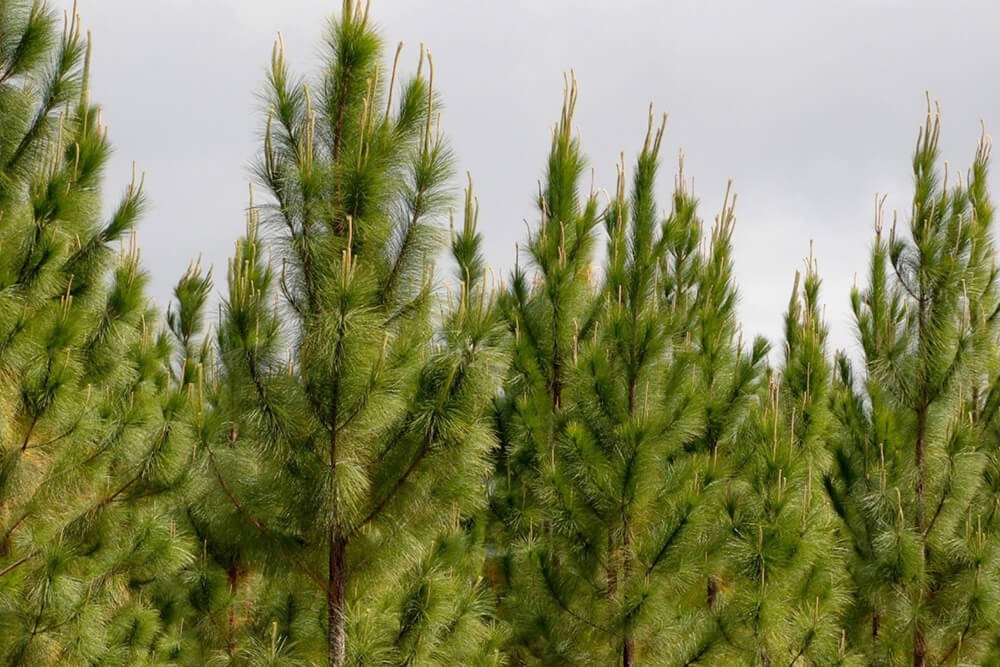
- Softwood plantation MAIs have remained steady or shown moderate increases over the past 15 years. Increases are strongest in South Eastern Australia for Pinus radiata (P. radiata). P. radiata is has the largest plantation footprint, and is closely linked to the housing and construction sector both of which allow a focus and scale of research and innovation effort.
- Trends in hardwood plantation MAIs are mixed. Hardwood plantations have a smaller footprint than softwood, are split between pulplog and sawlog silviculture, and the hardwood plantation sector was established more recently than the softwood plantation sector. This combination of factors makes discerning clear trends in the hardwood estate challenging.
- Growers described increases in MAI estimates have been driven by improvements in plantation management (through silviculture, genetics, research and innovation) and also supported by links along the supply chain (improved harvesting and processing technology).
- Growers described adaptions made to manage physical, regulatory and social licence risk, and highlighted the importance of proactive adaption to increasing climate risks through a range of short and long term investments.
Supporting documents
An analysis of Plantation Productivity
If you have difficulty accessing these files, contact us for help.