
Terms of reference
The Terms of Reference for the working holiday maker tax review are designed around five key themes:

Main site content
The Terms of Reference for the working holiday maker tax review are designed around five key themes:
Department of Agriculture, Fisheries and Forestry - September, 2022
The Department of Agriculture, Fisheries and Forestry uses a number of risk mitigation strategies to prevent biosecurity risk from entering Australia. Among these strategies is the treatment of goods to mitigate the risk and prevent the introduction of unwanted pests and diseases.
Making a reservation for post entry quarantine is a lengthy process that begins months in advance of the consignment entering a facility.
The below quick reference guides provide detailed information about Post Entry Biosecurity System functions. They include screenshots, detailed instructions and further support information.
The Australian Government’s Post Entry Quarantine (PEQ) facility located in Mickleham, Victoria manages high-risk plant and animal imports, including cats, dogs, horses, live birds, hatching eggs, bees and ruminants. When these imports arrive in Australia, they are kept in quarantine while their health is checked to make sure they don’t carry any pests or diseases.
Weeds cost the Australian economy billions of dollars in control measures and lost income each year. They reduce agricultural production by competing with crops, introducing crop diseases and restrict our ability to trade internationally by contaminating crops and wool.
Plant diseases cost Australia millions of dollars each year as they reduce productivity, increase the cost of production, impact on our ability to trade both locally and internationally and adversely affect our environment and biodiversity.
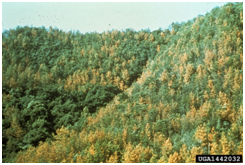
The Pine wilt nematode is a microscopic unsegmented worm that affects firs, cedars, larches, spruces, and especially pines.
| Document | Pages | File size |
|---|---|---|
Lesser auger beetle fact sheet PDF  |