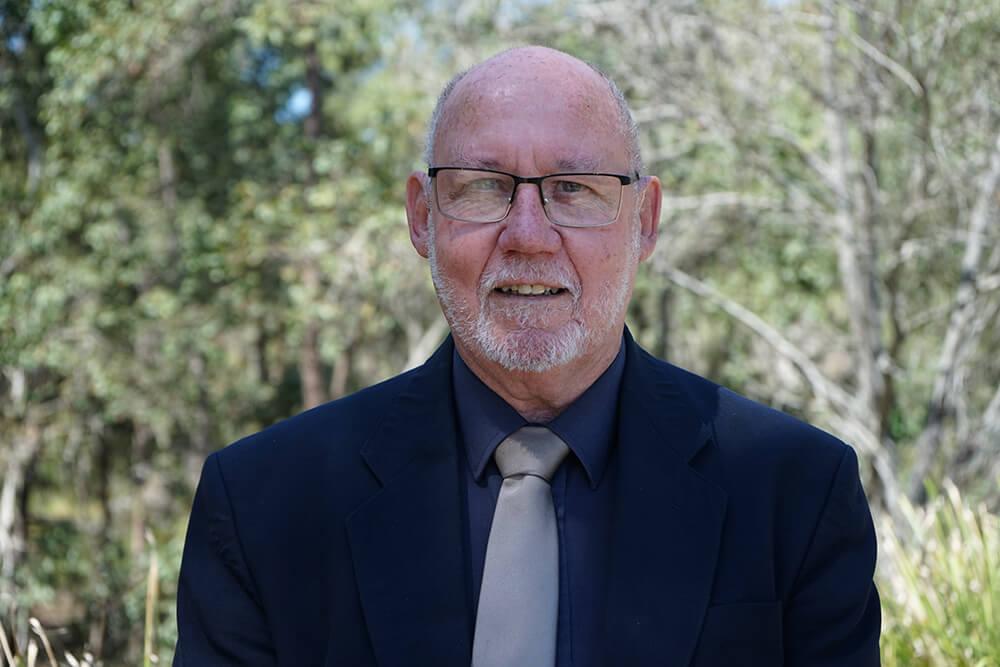
Kevin Cooper
For more than 40 years, Mr Kevin Cooper has made an exceptional contribution to Australia's biosecurity system through leadership in emergency management, preparedness and biosecurity response. Throughout a distinguished career spanning animal, plant, aquatic and environmental biosecurity, he has played a pivotal role in strengthening Australia's ability to prevent, prepare for, respond to and recover from biosecurity incidents. His work has shaped the systems, frameworks and people that underpin Australia's biosecurity emergency response capability today.
Beginning his career in the early 1980s, Mr Cooper worked across animal and plant health laboratories, including emergency disease preparedness. He led the design and establishment of the Elizabeth Macarthur Agricultural Institute and later oversaw its technical operations, strengthening Australia's diagnostic and emergency preparedness capability before moving into emergency management. Over the years that followed, he became a recognised leader within the primary industries sector, working across government and with stakeholders nationally to strengthen Australia's approach to biosecurity emergency response. His expertise extended across production agriculture, various pests and diseases, aquatic biosecurity threats, environmental biosecurity incidents and natural disasters affecting agriculture.
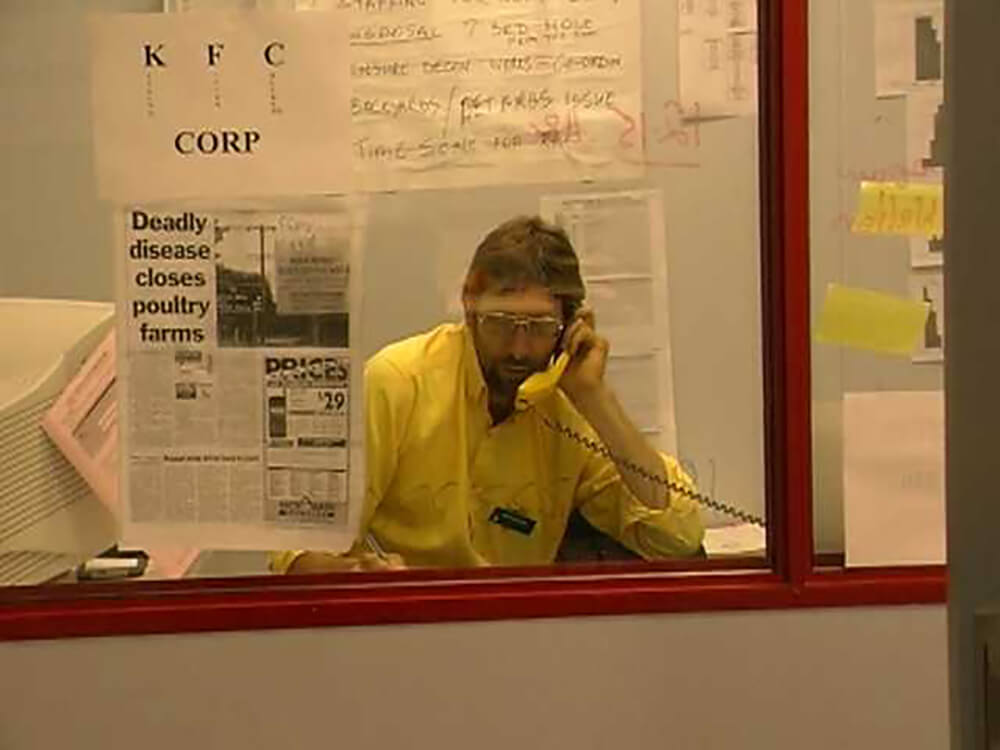
Throughout his career, Mr Cooper provided expert advice to governments, industry and response agencies across Australia and overseas. He held senior leadership and management roles in numerous medium and large-scale emergency responses, helping guide decision-making during some of the most significant biosecurity and agricultural incidents faced by Australia. These included the 1999–2000 Newcastle disease outbreak in New South Wales, where he coordinated emergency response activities to support containment efforts, and the 2007 equine influenza outbreak, where he served as Controller of the Local Disease Control Centre in Camden and helped implement disease control measures, including movement controls and vaccination during one of Australia's most challenging animal health emergencies.
Mr Cooper's expertise was also recognised internationally. During the 2001 foot-and-mouth disease outbreak in the United Kingdom, he was deployed as an emergency manager, leading surveillance and tracing activities before taking responsibility for a disease control centre in Yorkshire. On returning to Australia, he prepared a strategic report that strengthened our national foot-and-mouth disease preparedness and informed future training and exercise programs. The experience further shaped his approach to emergency management, reinforcing the need to consider a broad range of risks and considerations associated with biosecurity emergencies, including economic, environmental, social, political and operational impacts. His expertise was subsequently sought after by other countries looking to enhance their own emergency management capability.
A significant part of Mr Cooper's legacy lies in the systems and frameworks he helped develop. He played a leading role in the development, validation and continual improvement of biosecurity emergency management plans, procedures, policies and agreements that continue to support preparedness and response activities across Australia. He contributed to the design of response structures and operating models used during biosecurity emergencies and helped establish training standards that strengthened workforce capability across jurisdictions.
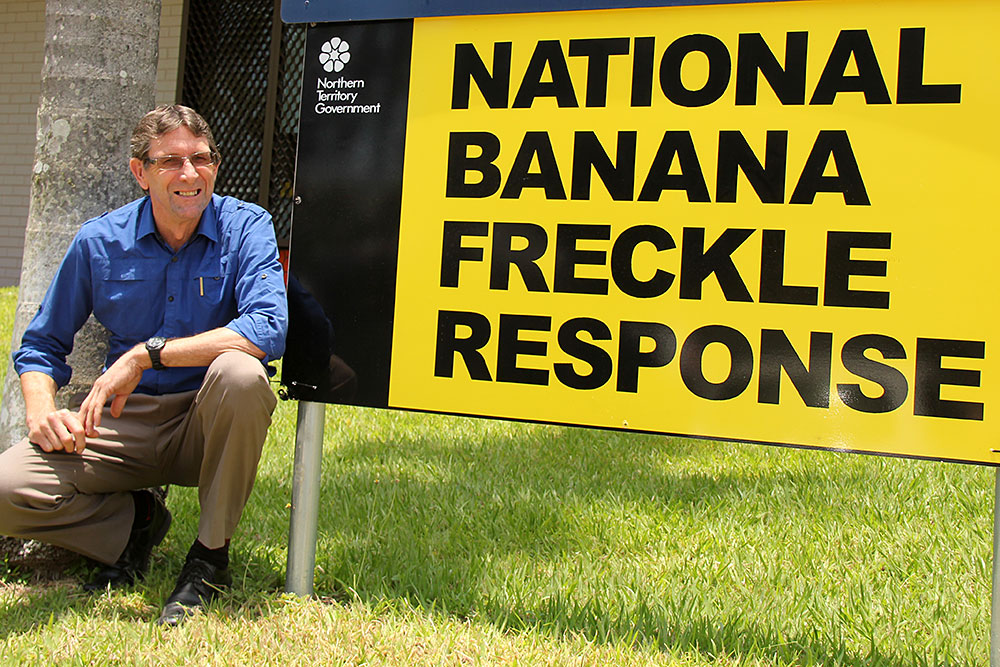
Mr Cooper was also an integral part of developing and delivering exercises at national, state, territory and regional levels, ensuring Australia's response arrangements were regularly tested and improved. His work helped foster a culture of preparedness and continuous improvement that strengthens Australia's resilience to biosecurity threats. Beyond preparedness activities, he spent more than 3 decades supporting and leading responses to a wide range of incidents, including the 2010 myrtle rust incursion in New South Wales and the nationally significant Banana Freckle Eradication Program in the Northern Territory, where he served as State Coordinator during one of Australia's largest and most complex plant pest eradication programs.
In the latter part of his career, Mr Cooper became a highly respected mentor to the next generation of emergency managers and biosecurity professionals. He generously shared his knowledge, experience and judgement with colleagues across Australia, helping develop the skills and confidence of those responsible for managing future biosecurity emergencies. Even in retirement, he remains a trusted source of advice and counsel, reflecting his enduring commitment to collaboration, professional development and capability building across the sector.
Through more than 4 decades of service, Mr Kevin Cooper has helped shape Australia's biosecurity emergency management capability at every level. His contributions have strengthened preparedness, response coordination, workforce capability and national resilience. His enduring impact reflects the qualities embodied by the Dr David Banks Biosecurity Lifetime Achievement Award. Through sustained leadership, service and commitment, he has helped safeguard Australia's industries, environment and communities, leaving a legacy that will continue to influence biosecurity preparedness and response for generations to come.
Watch a video about their work
Introduction
This is the accessible text transcript of the 2026 Australian Biosecurity Awards winner video featuring Kevin Cooper.
Transcript
Hi, my name is Kevin Cooper, and I’m an emergency management practitioner with a special interest in biosecurity emergencies.
I’d like to start by acknowledging Dharawal Country, the land on which I’ve worked for many years.
For more years than I’d like to count, I worked for NSW Department of Primary Industries, and before that, NSW Agriculture.
I started in animal and plant health laboratories and worked through to become the lead for the design and the development of the Elizabeth Macarthur Agricultural Institute at Camden and thereafter the preparedness for those laboratories for a biosecurity emergency.
It is a real privilege and humbling to be nominated for the Dr David Banks Lifetime Achievement Award. Thank you.
Like those before me, my successes reflect on the efforts and commitment of so many people. So many I could not name them, but I will like to acknowledge the more than 200 people who put up their hand to become the NSW First Response Team for biosecurity emergencies. These people made a real difference, not only during responses but also the preparedness. Really essential.
I’d like to acknowledge the collaboration with like-minded people across many NSW government agencies, other states and territories and the Commonwealth.
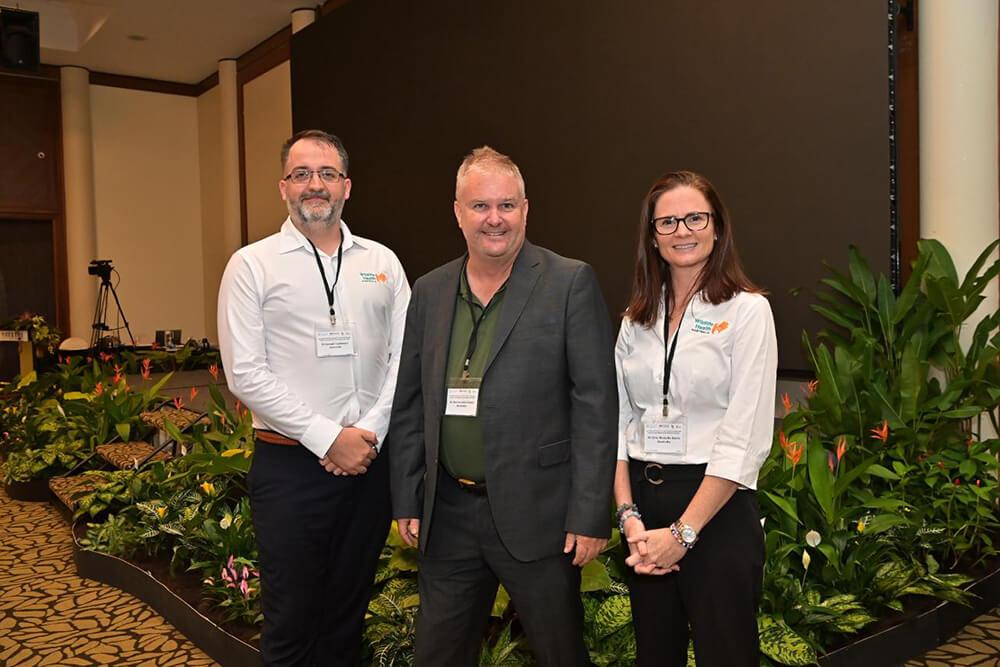
Building trust was essential for good preparedness and response. Similarly, the outcomes from working with industry such as Animal Health Australia, Plant Health Australia, Wildlife Health Australia and industry peak bodies, contributed significantly to positive outcomes for preparedness and response.
Photos