NSW Department of Primary Industries and Regional Development-led response phase of the National Varroa Mite Emergency Response
The detection of varroa mite in New South Wales in 2022 marked a defining moment for Australian biosecurity. As the world's most serious pest of honey bees, varroa mite posed a significant threat to Australia's pollination-dependent industries, food production systems and agricultural economy. To address this threat, the NSW Department of Primary Industries, now referred to as the NSW Department of Primary Industries and Regional Development (NSW DPIRD), led the response phase of the National Varroa Mite Emergency Response, coordinating one of the largest and most complex biosecurity operations in Australia's history.
Between July 2022 and February 2024, more than 2,000 personnel and volunteers worked across an operational footprint that eventually exceeded 3.4 million hectares. NSW DPIRD rapidly established surveillance, diagnostics, regulatory controls and operational systems, supported by advanced monitoring techniques and the processing of thousands of samples to guide evidence-based decision-making.
A key strength of the operation was its commitment to innovation and collaboration with key industry partners. Working closely with beekeepers and horticultural industries, NSW DPIRD delivered a coordinated national biosecurity effort while supporting business continuity and pollination services under highly challenging conditions. The response also facilitated the assessment and adoption of synthetic and organic mite treatments that have helped shape Australia's ongoing varroa management strategy.
While Australia ultimately transitioned to long-term management, the response delivered significant benefits for the agricultural sector and biosecurity capability. Industry estimates indicate that measures implemented during the eradication phase substantially reduced projected economic impacts over a 30-year period, compared with an uncontrolled spread. The response also helped protect pollination-dependent industries that underpin Australia's food production system, including major berry-growing regions where industry estimates suggested that pollination disruption could affect hundreds of millions of dollars in annual production.
This award recognises the NSW DPIRD-led response phase of the National Varroa Mite Emergency Response and the extraordinary efforts of the team that drove it. The achievement was supported by many contributors across government, industry and the community, including numerous commercial and recreational beekeepers whose tireless work helped slow the spread of this serious pest and buy valuable time for the transition to management initiatives that followed. Many worked under sustained pressure and uncertainty, often in addition to their normal responsibilities, business and personal commitments.
Through its leadership of the National Varroa Mite Emergency Response, NSW DPIRD made an outstanding contribution to Australia’s biosecurity system. The efforts made helped protect agricultural productivity, strengthened national preparedness and provided important lessons for future emergency operations. The professionalism, innovativeness and dedication demonstrated by all who contributed leaves a lasting legacy for Australian biosecurity.
Watch a video about their work
Introduction
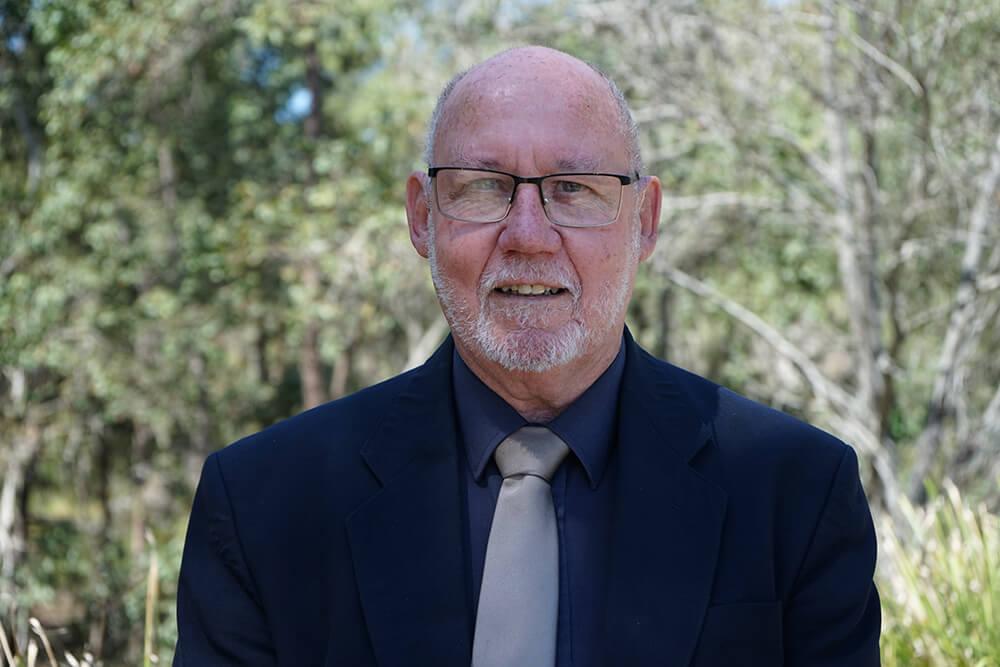
This is the accessible text transcript of the 2026 Australian Biosecurity Awards winner video featuring Dr Chris Anderson, NSW Department of Primary Industries and Regional Development.
Transcript
Varroa is considered the most damaging parasite of honey bees worldwide. Until 2022, Australia was the last beekeeping continent to remain free of it.
Its detection in New South Wales triggered an unprecedented biosecurity response. But from the outset, there was another critical challenge: how to manage the biosecurity risk whilst maintaining access to the honey bees needed to pollinate some of our most important horticultural crops.
This became particularly urgent as almond and berry pollination approached.
For berry growers, access to healthy managed honey bees is essential to achieving a successful crop. For commercial beekeepers, pollination is also an important part of their business.
Restrictions required during the response therefore had very real consequences for both industries.
Finding a way forward required government, growers and beekeepers to work together.
And volunteer beekeepers played an enormously important role.
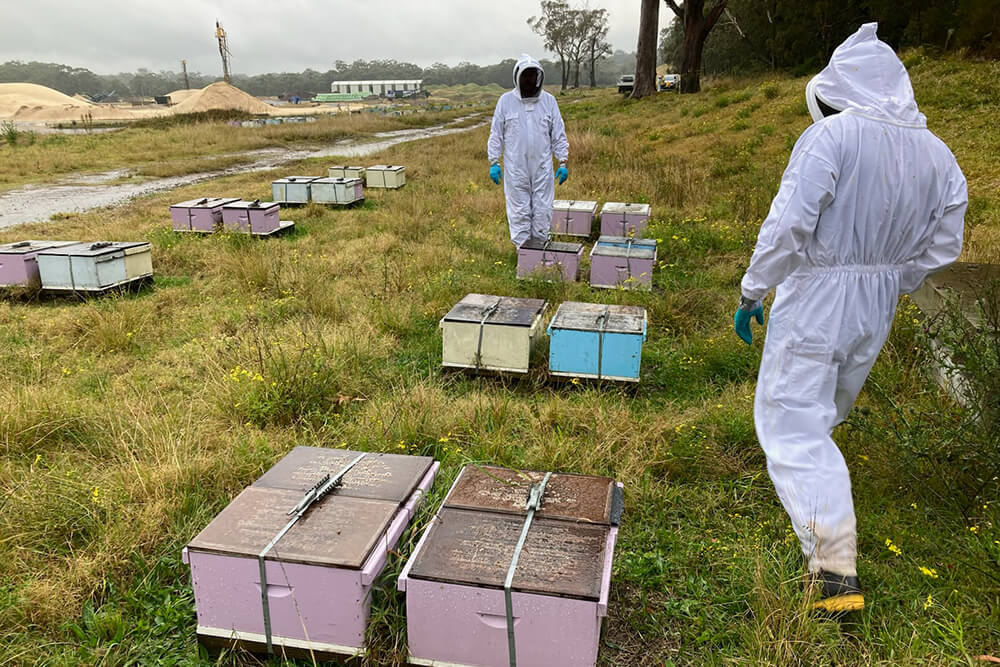
Across the response, keepers volunteered their time, knowledge and practical experience. They worked alongside response personnel, participated in surveillance and other response activities, and helped us understand how decisions made within the response would affect beekeeping businesses on the ground.
That contribution was critical to finding practical solutions.
NSW worked closely with beekeepers, growers and industry representatives to develop a risk-assessed pathway that allowed bees to continue moving for essential pollination while managing the risk of spreading Varroa.
Rather than simply stopping bee movements, regulatory arrangements were adapted to allow essential pollination movements to continue in specific areas under carefully managed conditions.
This was particularly important for the berry industry.
Maintaining access to pollination meant growers could continue producing crops, businesses could continue operating and important regional supply chains could be maintained.
It’s important, however, to recognise that this was an extraordinarily difficult period for the beekeeping industry.
Eradication of Varroa was ultimately not achieved, and the response imposed significant impacts on individual beekeepers and businesses. For some, those impacts continued well beyond the emergency response itself.
That experience should not be diminished when recognising what was achieved.
What this recognition acknowledges is something quite specific: in the middle of an unprecedented biosecurity emergency, beekeepers, growers, industry and government found a way to maintain essential pollination services while managing a serious and evolving biosecurity risk.
Much of that was possible because people from within the beekeeping community were willing to step forward and help.
Their practical knowledge, cooperation and volunteer contribution helped bridge the gap between the requirements of an emergency response and the realities of keeping agricultural business operating.
That is the most important legacy of this work.
Biosecurity interventions affect real people and real businesses.
[Text on screen: Beekeepers expertise shaped solutions. Beekeeper input connected policy with on-the-ground realities. Collaboration became the response’s greatest legacy. Berry and almond pollination continued despite the Varroa response. A powerful example of industry and government working together.]
The best solutions come from working with those affected, listening to their experience and finding practical ways to manage risk while allowing industries to continue operating.
The maintenance of berry pollination during the Varroa response demonstrated exactly what that kind of collaboration can achieve.
Photos