Professor Caroline Mohammed
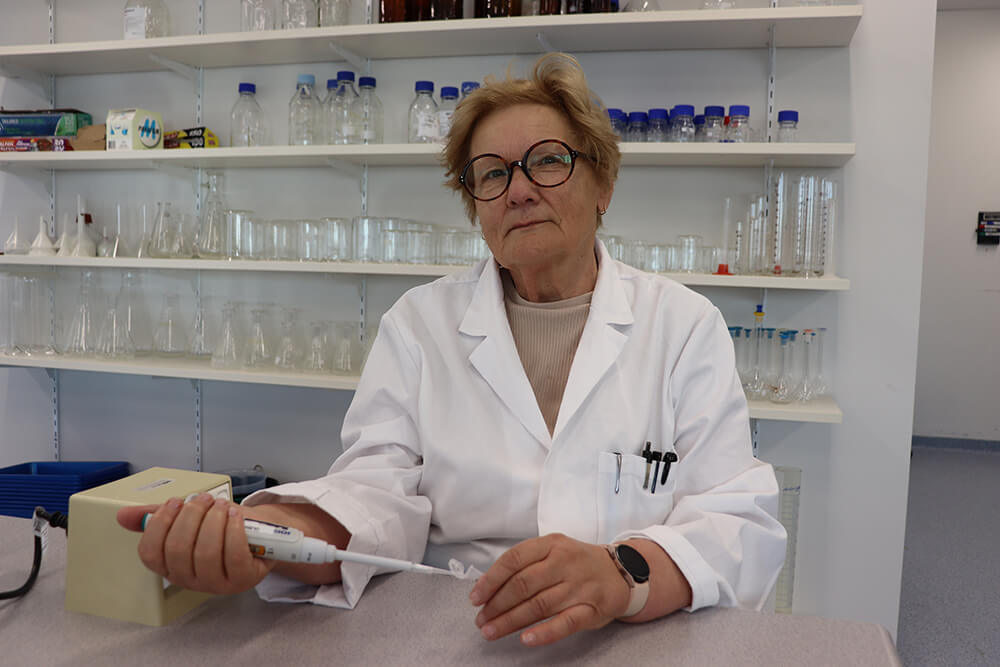
Professor Caroline Mohammed has made an outstanding contribution to Australia's biosecurity system through her leadership in plant health, forest biosecurity and biosecurity innovation. As a researcher, educator and internationally recognised plant pathologist, she has dedicated more than 30 years to advancing the science that underpins Australia's preparedness for plant pests and diseases. Her work has strengthened diagnostic capability, surveillance, risk assessment and biosecurity decision-making across Australia and internationally, helping protect our agricultural industries, forestry sector and natural environments.
As Centre Leader for Agricultural Systems at the Tasmanian Institute of Agriculture, Professor Mohammed leads multidisciplinary research spanning plant health, forestry, agriculture, climate change and biosecurity. Throughout her career, she has combined expertise in plant pathology, diagnostics, modelling and surveillance with a strong commitment to capacity building and collaboration. Her work has consistently bridged the gap between scientific research, policy development and practical biosecurity outcomes, ensuring research findings are translated into real-world improvements for industry, government and the broader community.
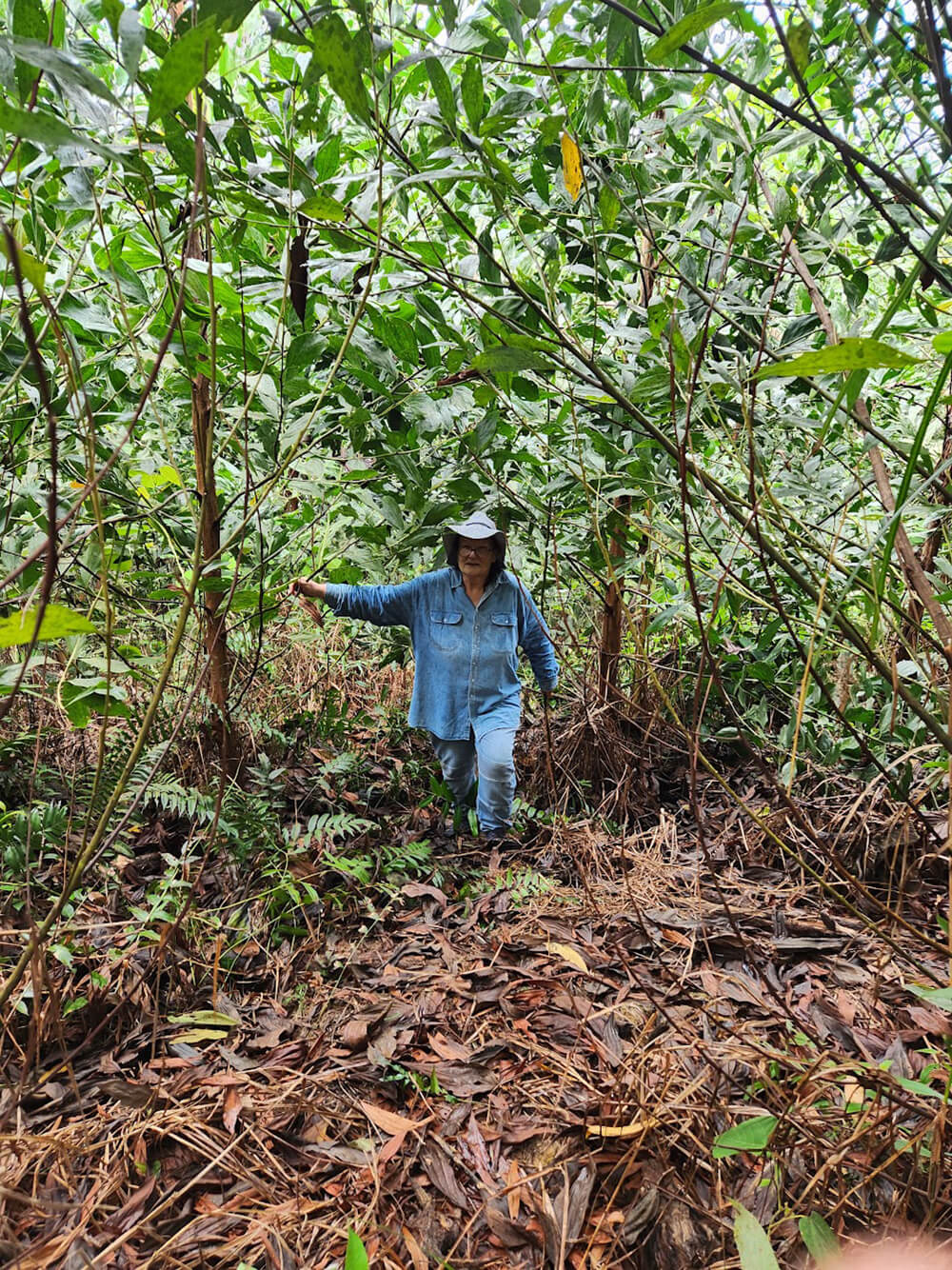
A prolific scientist, Professor Mohammed has authored more than 200 publications across plant health and biosecurity disciplines. Her research has improved understanding of significant plant pathogens and supported the development of innovative tools and approaches for disease detection, preparedness and response. She has made important contributions to understanding pathogens affecting forestry and agricultural systems, including threats such as myrtle rust, Ceratocystis species and Ganoderma. Through this work, she has strengthened Australia's ability to detect, manage and respond to emerging plant health risks.
Her contributions extend across the entire biosecurity continuum, from threat identification and risk assessment through to diagnostics, surveillance, preparedness and long-term resilience. She played a key role in developing rapid screening protocols for disease resistance in Acacia species, creating more efficient and reliable methods to support disease management and breeding programs. She also contributed to the development of nationally adopted diagnostic protocols that support consistent and robust responses to plant disease incursions across Australia. Her expertise was instrumental in Australia's response to myrtle rust, including the development of critical diagnostic tools and contingency planning measures.
Beyond her scientific achievements, Professor Mohammed has been a strong advocate for strengthening biosecurity capability both in Australia and internationally. Through her research leadership, she has built enduring partnerships across government, industry, academia and international organisations. Supported by sustained investment from the Australian Centre for International Agricultural Research over several decades, her work in Southeast Asia has strengthened plant health systems and biosecurity capability within plantation forestry industries, particularly for eucalyptus and acacia plantations. This long-term collaboration has built regional expertise, advanced forest health research and fostered enduring international networks. By integrating plant breeding, diagnostics, remote sensing, climate modelling and social science, Professor Mohammed has developed practical approaches to managing plant health risks and improving biosecurity outcomes across the region.
A defining feature of Professor Mohammed's career has been her commitment to developing future generations of biosecurity professionals. She has supervised numerous postgraduate researchers and mentored emerging scientists from Australia and overseas. Many of her former students have gone on to become leaders in plant health and biosecurity in their own countries, creating a lasting legacy that extends well beyond her direct research achievements. Through teaching, training and professional leadership roles, she has made a significant contribution to strengthening scientific capability and expertise across the biosecurity sector.
Professor Mohammed has also been a trailblazer for women in science. She became the first female president of the Australasian Plant Pathology Society and the first female professor within the Tasmanian Institute of Agriculture. Her distinguished career has been recognised through numerous leadership appointments and accolades, including the University of Tasmania Distinguished Service Medal. These achievements reflect both her excellence as a scientist and her commitment to fostering an inclusive and collaborative research community.
Through her leadership, research excellence and collaborative approach, Professor Caroline Mohammed has made an exceptional contribution to Australia's biosecurity system. Her work has enhanced preparedness, strengthened scientific capability, improved plant health outcomes and built enduring partnerships across Australia and the Indo-Pacific region. Her contributions continue to support the protection of Australia's environment, industries and communities from current and emerging biosecurity threats.
Watch a video about their work
Introduction
This is the accessible text transcript of the 2026 Australian Biosecurity Awards winner video featuring Professor Caroline Mohammed.
Transcript
Hello, I'm Professor Caroline Mohammed, Centre Leader for Agricultural Systems and Deputy Director of the TAS Farm Innovation Hub at the Tasmanian Institute of Agriculture, University of Tasmania.
It's a real honour to receive the Dr Kim Ritman Award for Science and Innovation.
Over the past 3 decades, my work has focused on plant pathogens that threaten our forest and agricultural systems - myrtle rust and Ceratocystis - developing the diagnostics, surveillance tools and contingency plans that help Australia detect and respond before small problems become national incursions.
With long-term ACIAR (Australian Centre for International Agricultural Research) support - over 2 decades - we have carried out our research activities in Southeast Asia, building forest health and biosecurity capability in eucalypt and acacia plantations across Indonesia and Vietnam. Work that also acts as a forward line of defence for our own forestry and natural ecosystems.
Biosecurity matters to me because it sits at the intersection of everything I care about: protecting the environment, safeguarding livelihoods and keeping our food and fibre systems resilient in a changing climate. It only works when science, industry, government and communities act together - and that shared responsibility is what has shaped my entire career.
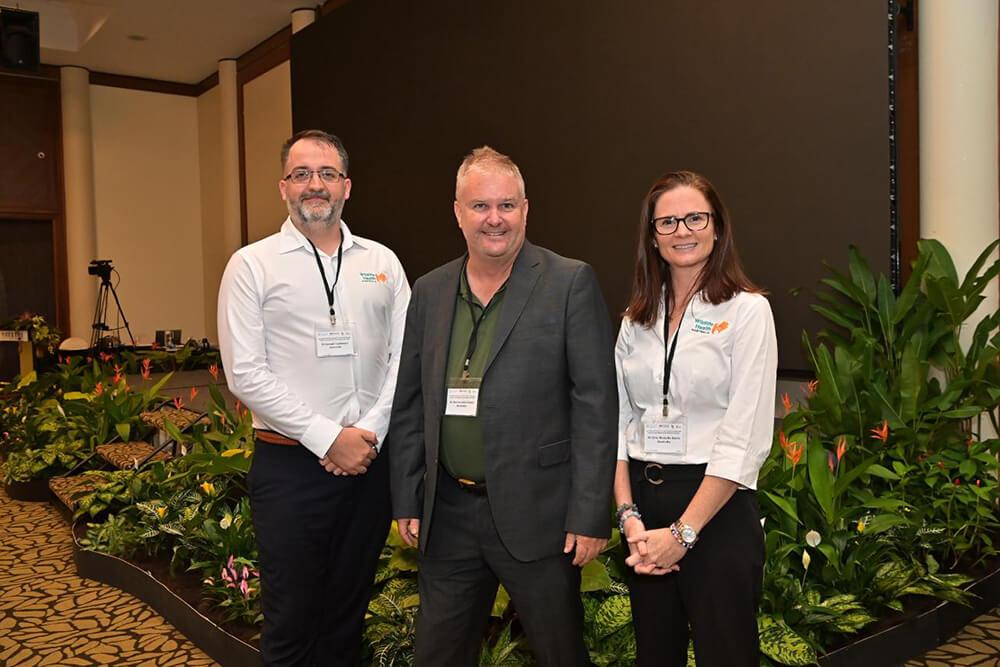
I want to sincerely thank my nominator and collaborator Dr Russell Warman, whose partnership across our Southeast Asian projects has been invaluable - this recognition means so much to me because it came from him.
This award represents something bigger than one career - it reflects students, collaborators, communities, colleagues I've had the privilege to work alongside, and it reminds me why this work is so worth doing.
Photos