
Skip to main content Skip to main navigation Skip to search
Home

Top navigation main

  • News & media
  • Jobs
  • Ministers
  • Contact us
Main menu

AWE Main

  • Agriculture and land
    Agriculture and land Building stronger and more sustainable agriculture, fisheries, forestry and land care.
    • Animal health
    • Climate change and agriculture
    • Farming, food and rural support
    • Fisheries
    • Forestry
    • Levies and charges on agricultural products
    • Mouse infestation advice
    • Plant health
    Farmer in a wheat field at sunset

    Drought, disaster and rural support

    Farmers and rural communities face many risks to their business.

    Find out more

  • Biosecurity and trade
    Biosecurity and trade
    • Aircraft, vessels and military
    • Biosecurity policy
    • Cats and dogs
    • Exporting
    • Importing
    • Pests, diseases and weeds
    • Public awareness and education
    • Trade and market access
    • Travelling or sending goods to Australia
    • Report a concern
    Brown marmorated stink bug

    BMSB Seasonal Measures

    Australia has strengthened seasonal measures to manage the risk of BMSB.

    View our seasonal measures

  • Science and research
    Science and research Undertaking research and collecting data to support informed decisions and policies.
    • Australian Bureau of Agricultural and Resource Economics and Sciences (ABARES)
    • Plant Innovation Centre
    Abares

    ABARES Insights

    Get 'snapshots’ of agricultural, forestry and fisheries industries, or analysis of key issues.

    Find out more

  • About us
    About us We enhance our agricultural industries and trade, and manage the threat of biosecurity risks to Australia.
    • Accountability and reporting
    • Assistance, grants and tenders
    • Contact us
    • Fees and charges
    • News and media
    • Our commitment to you
    • Payments
    • People and jobs
    • Publications
    • What we do
    • Who we are
    Budget 2026-27

    Budget 2026-27

    The 2026–27 Portfolio Budget Statements were released on 12 May 2026.

    Find out more

  • Online services
    Online services We do business with you using online platforms. This makes it easier for you to meet your legal requirements.
Department of Agriculture

Breadcrumb

  1. Home
  2. About us
  3. News and media
  4. Australian Plague Locust Commission marks 50 years as seasonal outlook points to increased locust risk

Back to news - AWE

  • Back to news

Australian Plague Locust Commission marks 50 years as seasonal outlook points to increased locust risk

  • News
  • Pests
  • Agriculture
  • Climate
24 September 2026

The Australian Plague Locust Commission (APLC) is marking 50 years of coordinated locust management at the same time as seasonal conditions across eastern Australia point to the possibility of a larger than usual locust season this spring. 

Landholders are being encouraged to report significant locust activity to help track spring populations, improve forecasting and support preparedness and control efforts. 

Acting Australian Chief Environmental Biosecurity Officer, Dr Susie Collins, said the APLC’s 50-year milestone highlights the importance of continued vigilance and collaboration in protecting Australia’s agricultural industries from locust outbreaks. 

"For 50 years, the APLC has brought together governments, industry and landholders to monitor and manage one of Australia's most challenging agricultural pests," Dr Collins said.

“As we look ahead to the coming season, information from landholders remains just as important as ever. Early reporting helps us target surveillance, understand what’s happening on the ground, and respond quickly when populations begin to build.”

Established in 1976 following a series of major outbreaks in the early 1970s, the APLC continues to a critical role in coordinating locust monitoring, forecasting and management across state borders.

Today, the APLC works with the governments of New South Wales, Queensland, Victoria and South Australia to detect emerging populations and coordinate responses to significant outbreaks that could threaten agricultural production.

Dr Collins said locust management has evolved considerably over the past five decades, with advances in surveillance technology, forecasting capability and more targeted control methods improving the ability to predict and respond to outbreaks.

"Over the past 50 years we've seen significant advances in how we monitor and manage locust populations, but one thing hasn't changed: early detection is essential", she said.

"Reports from landholders provide valuable real-time information that helps us understand where populations are developing and supports timely control activities before infestations can spread across large areas."

The APLC and member jurisdictions are preparing for the season through surveillance planning, forecasting and response readiness. 

With conditions likely to support increased locust activity in some regions, landholders are encouraged to remain alert and report significant sightings of locust bands, swarms or unusually high numbers of locusts.

"Locust management is a shared effort," Dr Collins said. "By reporting locust activity early, landholders can help protect their own properties and that of their neighbours and contribute to broader preparedness efforts that support Australia's agricultural sector."

Landholders who observe significant locust activity can report it through their state biosecurity agency or directly to the APLC by calling 1800 635 962, emailing locust.report@aff.gov.au or visiting the APLC website.
  • Share on Facebook
  • Share on Twitter
  • Share on LinkedIn
  • Email
  • Copy link

Related

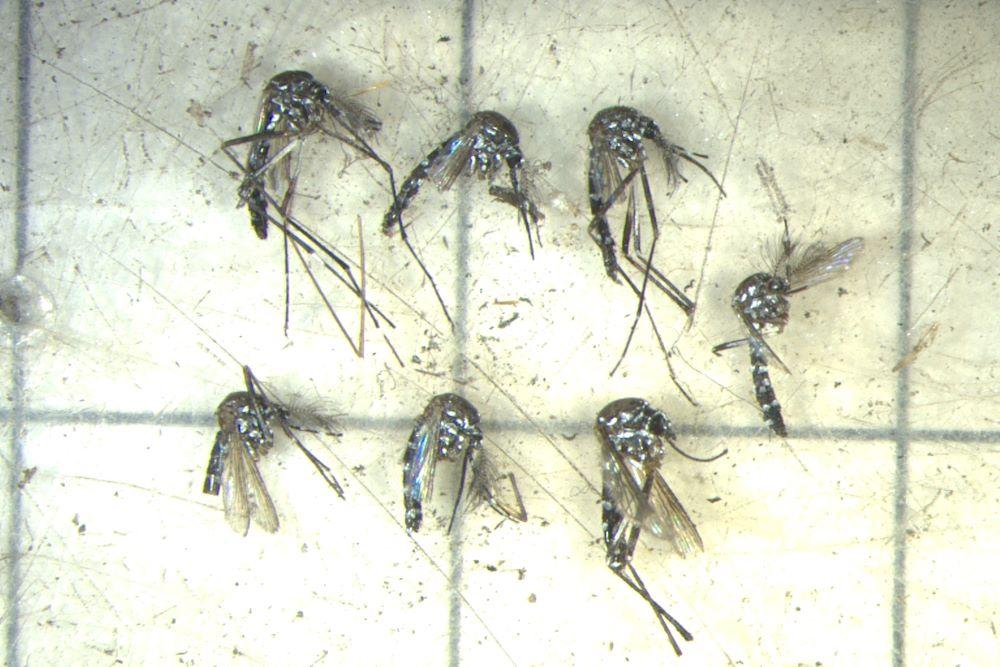
7 dead tiger mosquitoes on a tiles background

Non-Aussie mozzies intercepted in Brissie

  • News
  • Biosecurity
28 July 2026
Decorative image

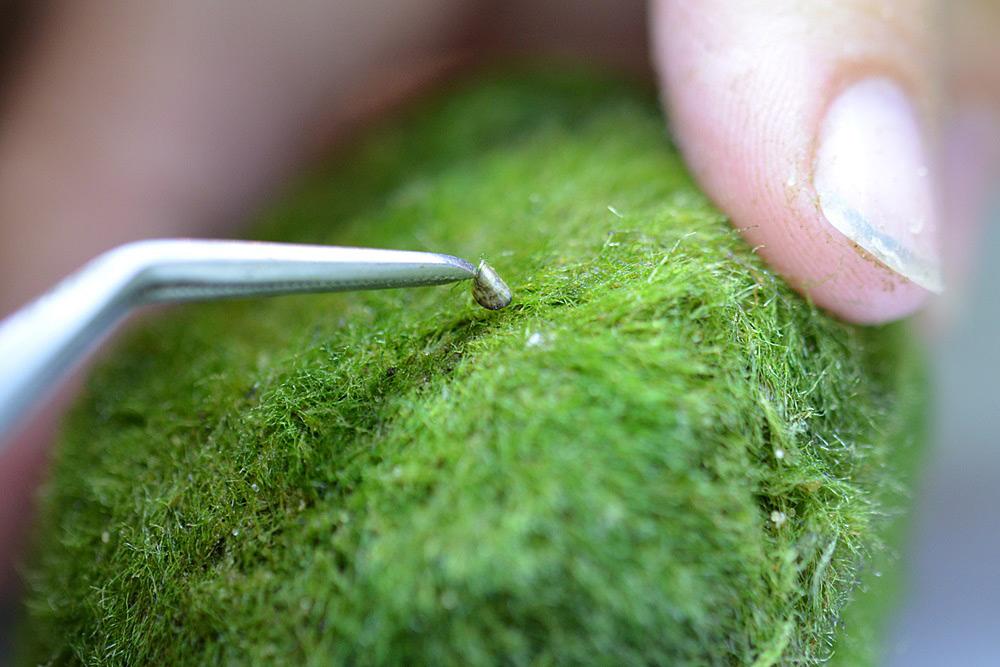
Check your fish tank for this tiny but mighty pest

  • Newsletter
  • Biosecurity
02 December 2025
Decorative

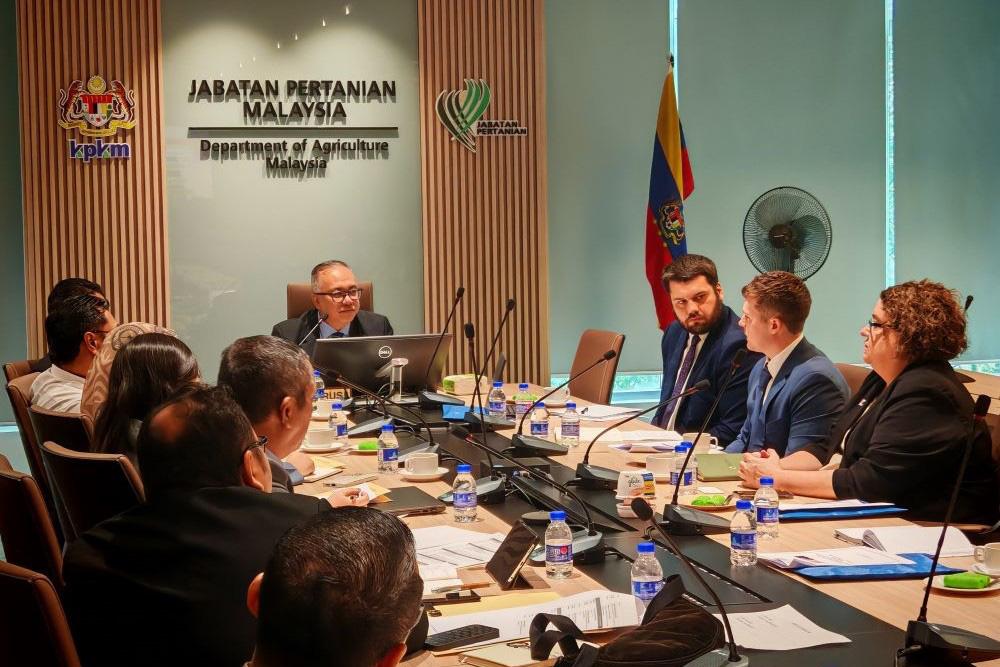
Turning 20 – Celebrating the Malaysian Fumigation Accreditation Scheme

  • News
  • Pests
10 October 2025
Thanks for your feedback.
Thanks! Your feedback has been submitted.

We aren't able to respond to your individual comments or questions.
To contact us directly phone us or submit an online inquiry

CAPTCHA
This question is for testing whether or not you are a human visitor and to prevent automated spam submissions.

Please verify that you are not a robot.

Skip
Page last updated: 24 September 2026

We acknowledge the continuous connection of First Nations Traditional Owners and Custodians to the lands, seas and waters of Australia. We recognise their care for and cultivation of Country. We pay respect to Elders past and present, and recognise their knowledge and contribution to the productivity, innovation and sustainability of Australia’s agriculture, fisheries and forestry industries.

Artwork: Protecting our Country, Growing our Future
© Amy Allerton, contemporary Aboriginal Artist of the Gumbaynggirr, Bundjalung and Gamilaroi nations.

Footer

  • Contact us
  • Accessibility
  • Disclaimer
  • Privacy
  • FOI

© Department of Agriculture, Fisheries and Forestry

Facebook X LinkedIn Instagram