
Skip to main content Skip to main navigation Skip to search
Home

Top navigation main

  • News & media
  • Jobs
  • Ministers
  • Contact us
Main menu

AWE Main

  • Agriculture and land
    Agriculture and land Building stronger and more sustainable agriculture, fisheries, forestry and land care.
    • Animal health
    • Climate change and agriculture
    • Drought, disaster and rural support
    • Farming, food and drought
    • Fisheries
    • Forestry
    • Levies and charges on agricultural products
    • Mouse infestation advice
    • Plant health
    Xylella

    Protect against unwanted plant pests

    Our biosecurity system helps protects us. Everyone has a role in supporting our biosecurity system.

    Find out more

  • Biosecurity and trade
    Biosecurity and trade
    • Aircraft, vessels and military
    • Biosecurity policy
    • Cats and dogs
    • Exporting
    • Importing
    • Pests, diseases and weeds
    • Public awareness and education
    • Trade and market access
    • Travelling or sending goods to Australia
    • Report a concern
    Brown marmorated stink bug

    BMSB Seasonal Measures

    Australia has strengthened seasonal measures to manage the risk of BMSB.

    View our seasonal measures

  • Science and research
    Science and research Undertaking research and collecting data to support informed decisions and policies.
    • Australian Bureau of Agricultural and Resource Economics and Sciences (ABARES)
    • Plant Innovation Centre
    Abares

    ABARES Insights

    Get 'snapshots’ of agricultural, forestry and fisheries industries, or analysis of key issues.

    Find out more

  • About us
    About us We enhance our agricultural industries and trade, and manage the threat of biosecurity risks to Australia.
    • Accountability and reporting
    • Assistance, grants and tenders
    • Contact us
    • Fees and charges
    • News and media
    • Our commitment to you
    • Payments
    • People and jobs
    • Publications
    • What we do
    • Who we are
    Budget 2025-26

    Budget 2025-26

    The 2025–26 Portfolio Budget Statements were released on 25 March 2025.

    Find out more

  • Online services
    Online services We do business with you using online platforms. This makes it easier for you to meet your legal requirements.
Department of Agriculture

Breadcrumb

  1. Home
  2. About us
  3. News and media
  4. Peaking behind-the-scenes at the PEQ

Back to news - AWE

  • Back to news

Peaking behind-the-scenes at the PEQ

  • Newsletter
  • Biosecurity
  • First Nations
17 December 2025

Five fortunate biosecurity trainees of the Indigenous Ranger Biosecurity Program had the unique opportunity earlier this year, to step behind the scenes at the department’s Melbourne-based Post Entry Quarantine (PEQ) facility. 
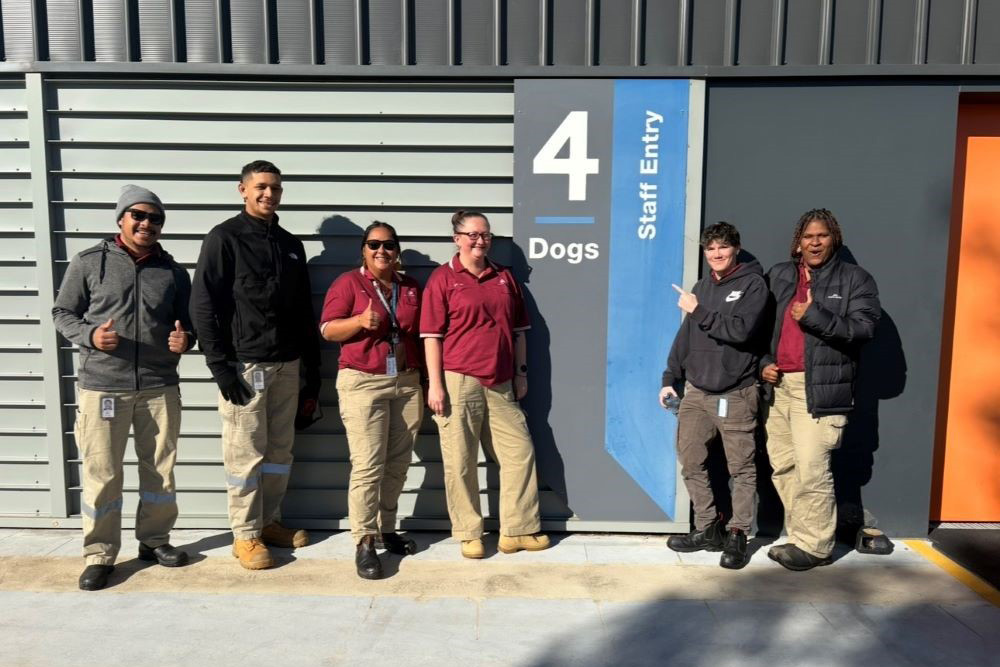
6 First Nations biosecurity trainees standing outside the department's dog kennels at the peq facility

This immersive field trip allowed trainees to experience first-hand the important work carried out at one of the department’s most fascinating facilities. Staff at PEQ play a critical role in Australia’s biosecurity system by observing and caring for high-risk animals and plants being imported into the country. These include valuable horses competing in international competitions, plants and seeds for nursery propagation and of course, people’s treasured pets. Each animal and plant must be quarantined while their health is checked to make sure, they don’t carry any pests or diseases.
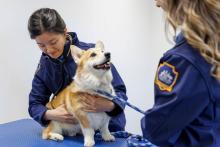
2 female biosecurity officers check a corgi
Staff checking the health of a quarantined Corgi

The trainees toured PEQ’s 5 compounds and learned about the processes and rigorous protocols in place to manage the biosecurity risks.
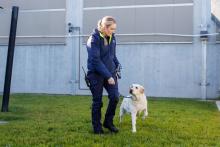
A female biosecurity officer exercises a white Labrador in a PEQ grass yard

In the cats and dogs’ compound, trainees assisted with cleaning and feeding, while in the horses’ compound they witnessed the complexity of managing large animals and experienced the importance of grooming.  In the avian facility, the trainees observed the incubation processes and monitoring the health of bird eggs. In the bees compound they were introduced to ‘flight rooms’ where live bees are carefully handled in controlled environments. Finally, in the plants compound the trainees were taught the science behind grafting and greenhouse operations.

The excursion to PEQ highlighted to the trainees, the diverse roles and expertise within the department and the wide-ranging, rewarding experiences a career in biosecurity has to offer.

Each of the trainees also recently completed the Certificate III in Government. This course is a mandatory and substantial component of the traineeship, designed to build core competencies and foundational knowledge relevant to working in the public sector.

Throughout the course the trainees were supported by a dedicated trainer who guided them through a range of learning activities covering key areas of government operations, communication, ethics, and administration. Completing this qualification has been a significant achievement for each person and underscores the success of the Indigenous Biosecurity Traineeship.

For more information, email NAQSComms@aff.gov.au
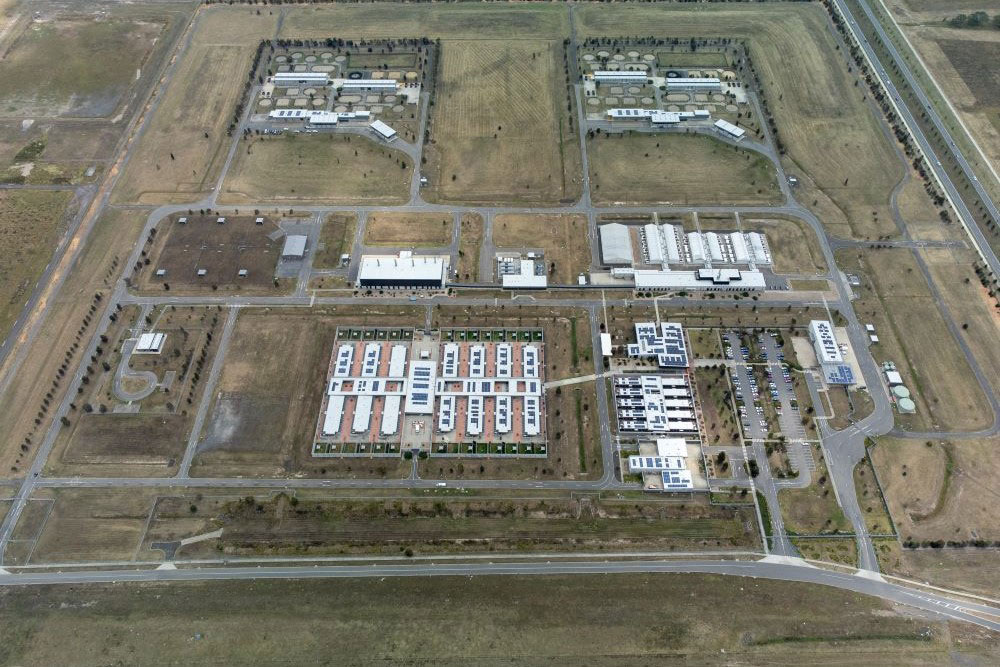
Aerial photo of the Melbourne Post Entry Quarantine site
Aerial view of PEQ

Read more articles from the Biosecurity Matters Newsletter

  • Share on Facebook
  • Share on Twitter
  • Share on LinkedIn
  • Email
  • Copy link

Related

Decorative

Celebrating our next generation of First Nations biosecurity leaders

  • Newsletter
  • Biosecurity
16 December 2025
Two people inspecting a ledger while standing inside a large building containing pigs

Updated field guide helps in the fight against emergency animal diseases

  • Newsletter
  • Biosecurity
08 December 2025
Decorative image

Check your fish tank for this tiny but mighty pest

  • Newsletter
  • Biosecurity
02 December 2025
Thanks for your feedback.
Thanks! Your feedback has been submitted.

We aren't able to respond to your individual comments or questions.
To contact us directly phone us or submit an online inquiry

CAPTCHA
This question is for testing whether or not you are a human visitor and to prevent automated spam submissions.

Please verify that you are not a robot.

Skip
Page last updated: 17 December 2025

We acknowledge the continuous connection of First Nations Traditional Owners and Custodians to the lands, seas and waters of Australia. We recognise their care for and cultivation of Country. We pay respect to Elders past and present, and recognise their knowledge and contribution to the productivity, innovation and sustainability of Australia’s agriculture, fisheries and forestry industries.

Artwork: Protecting our Country, Growing our Future
© Amy Allerton, contemporary Aboriginal Artist of the Gumbaynggirr, Bundjalung and Gamilaroi nations.

Footer

  • Contact us
  • Accessibility
  • Disclaimer
  • Privacy
  • FOI

© Department of Agriculture, Fisheries and Forestry

Facebook X LinkedIn Instagram