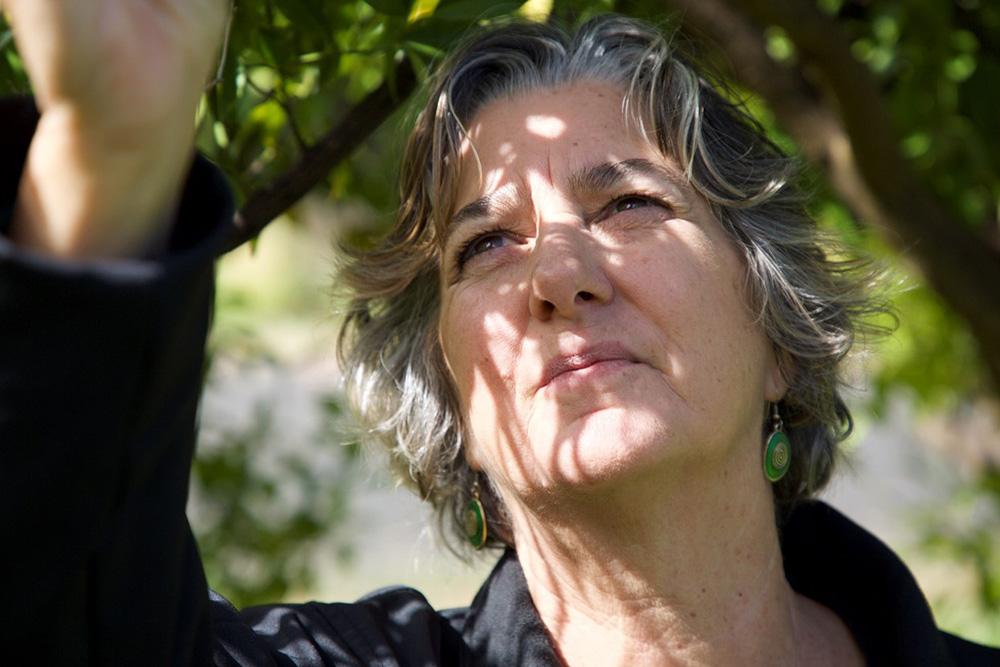

Blythe Calnan is a livestock producer from Western Australia, with a background spanning pastoral cattle operations in the Pilbara through to a diversified enterprise in the South West. Over the past 12 years, she has developed a mixed system including beef breeding, finishing, irrigation and a pastured egg operation, alongside industry roles supporting northern producers through weaner education.
Blythe is also a 2026 Future Drought Fund (FDF) Drought Resilience Scholar. Her research, to be delivered through Nuffield Australia, focuses on how livestock handling can support people, animals, businesses and land in a changing climate.
For Blythe, the growing pressures faced by Australian livestock producers are real. “People are having to adapt more quickly, make decisions more quickly, and recover from tough conditions more regularly than they used to,” she says. For her, drought is not simply a lack of rainfall, but about the flow-on effects such as limited feed for livestock. She believes that recognising earlier warning signs could allow producers to act sooner to mitigate these stressors.
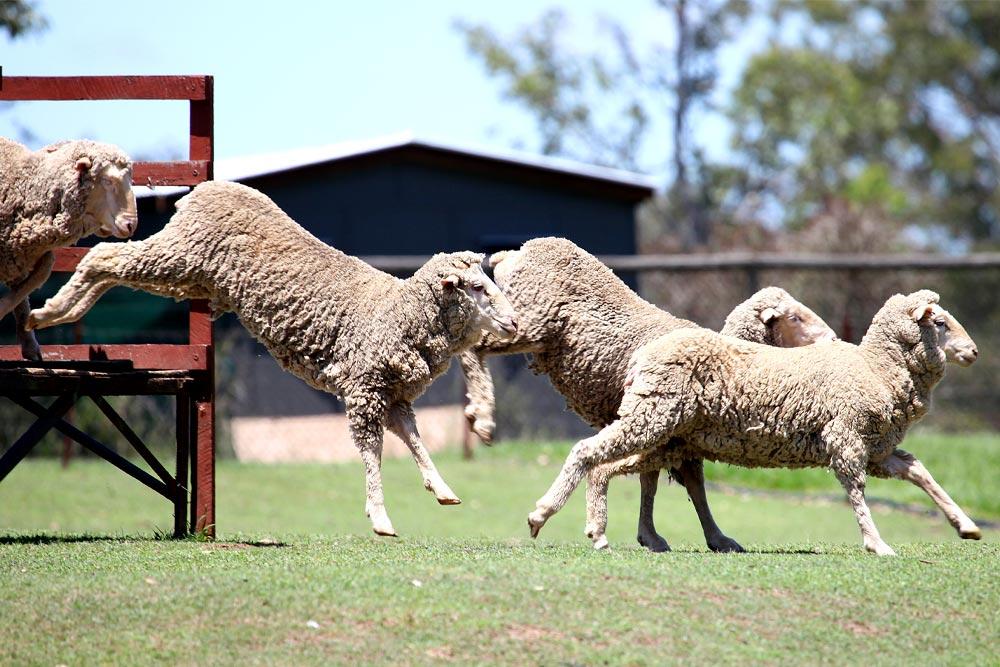
A central theme of her research is the role of livestock handling in building resilience. She emphasises that “livestock handling is often seen as an operational issue, and it really does build the foundation of everything else we do with our livestock”. By understanding how animals respond to pressure, producers can improve welfare outcomes, lift productivity, and make farm work safer and more enjoyable, while also supporting better land condition.
Through her Nuffield Australia Global Focus Program, Blythe has seen that adapting to climate variability is a shared challenge worldwide. These experiences reinforce the value of learning from other producers and applying practical knowledge back home.
She is also a staunch advocate for peer learning and producer involvement in decision-making. “The best way farmers and producers learn is from peer to peer,” she says, reinforcing the importance of sharing knowledge across communities and on-farm. Blythe is passionate about her work and hopes her research will shine a light on the connection between healthy animals, capable people, productive landscapes and profitable businesses in building long-term resilience for Aussie livestock producers.
Stay updated on Nuffield Australia scholarship opportunities and projects.
Video duration: 7 mins 28 secs
Introduction
This is the transcript of a video case study produced by the Australian Government's Future Drought Fund (FDF). The video features Blythe Calnan, a 2026 Drought Resilience Scholar. This project was funded by the FDF as part of the Drought Resilience Scholarships program, delivered by Nuffield Australia.
Learn more about the Future Drought Fund.
[Recording begins]
Music plays.
Blythe Calnan [00:36]
My name's Blythe Calnan. I'm from Western Australia. I’ve spent times in different parts of industry and sort of different parts of the country and state. I actually grew up in the Pilbara in more pastoral operations, so big cattle stations and that really made me fall in love with both the landscape and working with cattle.
I've been farming in the south west of Western Australia for the past 12 years or so, running a beef breeder operation, with a bit of irrigation and beef finishing, as well as a pastured egg operation, and I currently work in a few different roles. Part of that is weaner education, so working with northern cattle operations to help their processes during weaning and supporting their team with educating their weaners, resetting their mindset, resetting their rumens, moving them out of the yards quicker and onto pasture, which is good for the cattle and good for the hay bill, and helping people get real efficiency in their businesses up there.
The risks and the challenges which are facing Australian livestock producers are huge and they are real. We are facing more variable climate. People are having to adapt more quickly, make decisions more quickly, and recover from tough conditions more regularly than they used to.
As we see more variability, people can't just have a recipe of what you do every year at the same time. You need to have key indicators and key markers when you start making decisions early because the definition of a drought for me is not having feed when you thought you'd have feed, but the warning signs actually come a lot earlier and if people can take action early, then the effects of that variability are so much less.
So there's all of these pressures coming in on producers, and sometimes it does feel like farming used to be a relatively simple business that was focused on managing land and managing animals and a bit of people management in there, and the amount of different roles which a producer, a land manager and agricultural business manager now has to play is enormous.
I'm really excited to have been awarded a Drought Resilience Scholarship. What I want to explore through my scholarship really kind of breaks down to four different areas. The key topic is how we build resilience in our animals, our people, our landscape and our business. When it comes to people, I've got a big passion around making livestock handling both enjoyable and safe. From the animal point of view, obviously, we all have a really high priority around animal welfare and how we make sure our animals are experiencing good welfare, but there's also a production component in, that how we handle our animals can have some huge outcomes, both positively and negatively, in their production.
On the landscape level, how we handle and move our animals around has a huge impact on landscape health, and all of those things add up to a more resilient business.
I feel really privileged to be able to see how Australia's performing on an international stage, and what bits and pieces we can bring back in from overseas to help our producers be more resilient, help us be more adaptable, help us make good decisions quickly, and really build the livestock handling efficiency in Australia.
I'm really grateful that the Future Drought Fund and Nuffield Australia has seen value in investing in me to go out overseas and see how Australia can manage our animals better, to build resilience in our communities.
I think Australian producers need to be at the table when we're talking about developing systems for building resilience in agriculture and in our communities, and particularly when it comes to land management. We're all part of the solution, and we all need to be contributing to the decision making, but also making sure the decisions we’re making on farm are the best ones we can and what producers need to help them make those decisions.
Livestock handling is often seen as a operational issue, and it really does build the foundation of everything else we do with our livestock. If we're not doing those core basics of livestock handling well, we're missing out on animal welfare, our land health, our productivity and our profitability. Once people get an understanding of how animals minds work and how they respond to pressure, the dynamic can really change, which makes stock work more enjoyable and can have quite different production outcomes, and very different outcomes on the health of your land and the health of your community.
I've just come back from a global focus program, where I've toured the world for eight weeks. Resilience and adapting to a more variable climate are hugely topical in every single one of those countries we went to. It was quite sobering in ways, but also really encouraging. Australia is so innovative and we have an environment both physically and climatically and even politically, where I think we're in a position to make a really positive difference.
Knowing that we have these shared challenges really makes me go, right, I can go anywhere in the world and get a lot out of interacting with producers there. The best way farmers and producers learn is from peer to peer. We learn by chatting to someone over the fence, seeing something interesting and investigating, and we really value the opinion of people who have skin in the game. Getting outside our own sandboxes and communicating with other farmers in different parts of the world is a really exciting place to be and something of such value to producers in Australia.
I really hope that my research can contribute significantly to Australian agriculture. I want people to be safe in their work and enjoy it. I want labour to be easy to source and once we've invested people to keep them in industry. I want to improve and maintain animal welfare and the production benefits that come from that for industry. I want businesses to be able to make decisions on where they invest time and money and training into their people, into their infrastructure and into their animals for the best outcomes for that business. Because healthy, happy people managing profitable businesses are the key part of building resilience in our rural communities, and ensuring that we're all taking care of those natural resources for all of Australia.
Recording ends[7:28]
A screen displays the logos for the Department of Agriculture, Fisheries and Forestry and the Future Drought Fund.
Acknowledgement of Country
We acknowledge the continuous connection of First Nations Traditional Owners and Custodians to the lands, seas and waters of Australia. We recognise their care for and cultivation of Country. We pay respect to Elders past and present, and recognise their knowledge and contribution to the productivity, innovation and sustainability of Australia’s agriculture, fisheries and forestry industries.
This project was funded under the Future Drought Fund’s Drought Resilience Scholarship Program and delivered by Nuffield Australia.