
PLANT PEST
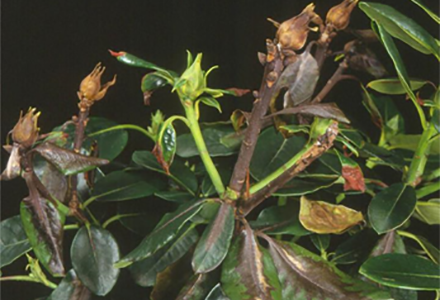
Credit: Sabine Werres BBA, Braunschweig, Germany, PaDIL
Sudden oak death (airborne Phytophthora spp.)
Exotic to Australia
Features: A disease caused by airborne species of the fungus-like organism Phytophthora that spreads easily and kills even mature trees
Where it’s from: North America, Vietnam, South America, New Zealand, Japan and Europe
How it spreads: Importation of spores on infected plants and plant material (i.e. cut flowers, nursery stock, timber), compost, clothes and equipment
At risk: Forest species, avocado, ornamentals, chestnut, hazelnut, macadamia, blueberry, and production nurseries; native species and forestry
Sudden oak death / Ramorum blight (Phytophthora ramorum) is listed on both the National Priority Plant Pests and the National Priority List of Exotic Environmental Pests, Weeds and Diseases as it has the potential for significant plant industry/agriculture impacts and may also cause significant damage to our environment and social amenity.
Keep it out
Sudden oak death, caused by a fungus-like organism Phytophthora ramorum, causes serious and widespread damage in nurseries and natural woodland throughout Europe and North America. It affects over 130 tree and shrub species and overseas it is killing trees in the millions, even mature trees. Derived from Greek, the word phytophthora means ‘plant destroyer’.
Sudden oak death causes symptoms on stems, trunks and leaves. It produces airborne spores which means it can spread quickly in new environments.
Another airborne phytophthora species, P. kernoviae also causes significant damage to a wide number of plant types.
Sudden oak death threatens Australia’s tree crops including avocado and nuts, as well as nurseries. It also poses a significant risk to Australia’s natural environment since eucalypts and other key native species can be infected.
Importing goods
To keep sudden oak death out of Australia, never ignore Australia’s strict biosecurity rules.
Import shipments may need to be treated and certified, so before you import, check our Biosecurity Import Conditions system (BICON).
What to look for
Sudden oak death causes two distinct sets of symptoms, depending on the host species.
On trees:
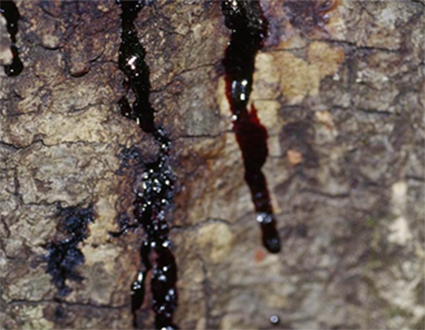
- trunk cankers—brown or black discoloured outer bark
- ‘bleeding’ sap.
On crops and shrubs:
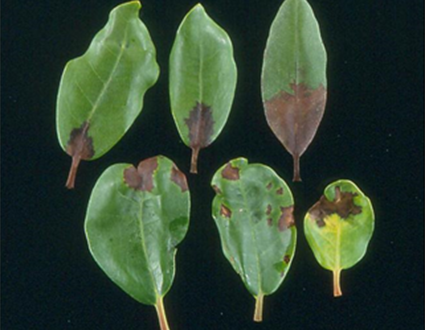
- leaf blight— dark brown spots or blotches spreading across the leaf, which may drop
- shoots become blackened with or without foliage attached.
The age of the plant, the host species and time of the year can all affect the severity of the symptoms. Wet, cooler periods of the year support the growth of the disease.
Where to look
Importers
Sudden oak death would most likely arrive in Australia on infected plants or plant material. It could also invade as spores in soil or on dirty shoes, clothes and personal items.
Nursery owners, growers and home gardeners
Look for leaf damage, die back and stem cankers on shrubs and trees including:
- avocado
- plantation forest
- macadamia
- tea tree
- chestnut
- hazelnut
- blueberry
- ornamentals including camellia and rhododendron
- production nurseries
- Australian native plants.
What to do
If you think you’ve found sudden oak death:
- don’t move samples
- take a photo
- do not disturb the pest (this may be a simple as closing the doors on a shipping container or preventing access to an orchard)
- wash your clothes and boots.
Read the detail
- Plant Health Australia: sudden oak death resources
- Nursery & Garden Industry Australia: factsheet including susceptible species