
Skip to main content Skip to main navigation Skip to search
Home

Top navigation main

  • News & media
  • Jobs
  • Ministers
  • Contact us
Main menu

AWE Main

  • Agriculture and land
    Agriculture and land Building stronger and more sustainable agriculture, fisheries, forestry and land care.
    • Animal health
    • Climate change and agriculture
    • Drought, disaster and rural support
    • Farming, food and rural support
    • Fisheries
    • Forestry
    • Levies and charges on agricultural products
    • Mouse infestation advice
    • Plant health
    Xylella

    Protect against unwanted plant pests

    Our biosecurity system helps protects us. Everyone has a role in supporting our biosecurity system.

    Find out more

  • Biosecurity and trade
    Biosecurity and trade
    • Aircraft, vessels and military
    • Biosecurity policy
    • Cats and dogs
    • Exporting
    • Importing
    • Pests, diseases and weeds
    • Public awareness and education
    • Trade and market access
    • Travelling or sending goods to Australia
    • Report a concern
    Brown marmorated stink bug

    BMSB Seasonal Measures

    Australia has strengthened seasonal measures to manage the risk of BMSB.

    View our seasonal measures

  • Science and research
    Science and research Undertaking research and collecting data to support informed decisions and policies.
    • Australian Bureau of Agricultural and Resource Economics and Sciences (ABARES)
    • Plant Innovation Centre
    Abares

    ABARES Insights

    Get 'snapshots’ of agricultural, forestry and fisheries industries, or analysis of key issues.

    Find out more

  • About us
    About us We enhance our agricultural industries and trade, and manage the threat of biosecurity risks to Australia.
    • Accountability and reporting
    • Assistance, grants and tenders
    • Contact us
    • Fees and charges
    • News and media
    • Our commitment to you
    • Payments
    • People and jobs
    • Publications
    • What we do
    • Who we are
    Budget 2025-26

    Budget 2025-26

    The 2025–26 Portfolio Budget Statements were released on 25 March 2025.

    Find out more

  • Online services
    Online services We do business with you using online platforms. This makes it easier for you to meet your legal requirements.
Department of Agriculture

Breadcrumb

  1. Home
  2. About us
  3. News and media
  4. Illegally hidden eggs found in socks and disguised as Easter decorations

Back to news - AWE

  • Back to news

Illegally hidden eggs found in socks and disguised as Easter decorations

  • News
  • Biosecurity
27 March 2026

Over the past 5 years, biosecurity officers at the border have intercepted 22 detections of illegally hidden hatching eggs. In recent months the rate of detections has notably spiked.

Fertile eggs, capable of hatching are classified as hatching eggs and bringing these, or any animal eggs into our country without meeting Australia’s import conditions is illegal.

Recent detections have occurred across multiple pathways, originating from a range of countries, including the United States of America, Indonesia, Thailand, the United Kingdom, Germany, Pakistan, Lebanon and China.

In some cases, eggs were concealed in passenger’s luggage, and on their persons. In another instance biosecurity officers found hatching eggs had been coloured with dye in an attempt to disguise them as Easter decorations.

Any animal eggs are classified as a high biosecurity risk because they can carry a range of diseases including poultry diseases that are not present in Australia such as pathogenic avian influenza (HPAI), and Newcastle disease virus (NDV).

These diseases can spread rapidly through domestic and wild bird populations, causing high mortality, and result in significant economic losses. An outbreak could disrupt trade, impact food supply chains, and require costly and complex eradication efforts.

In 2019 a passenger arriving from South Affrica, attempted to illegally import 21 suspected avian eggs, through Sydney International Airport. The eggs were hidden inside socks within their luggage and on the individual’s body.

Under Operation MARVEL the matter went to court. In 2021 the offender was convicted and received 18 months imprisonment, to be served as an Intensive Correction Order, along with 250 hours of community service.

Australia has some of the strongest biosecurity laws in the world, and we make sure these laws are enforced. Noncompliance can result in serious penalties, including criminal convictions, significant fines and infringements and up to 10 years imprisonment for the most serious offences.

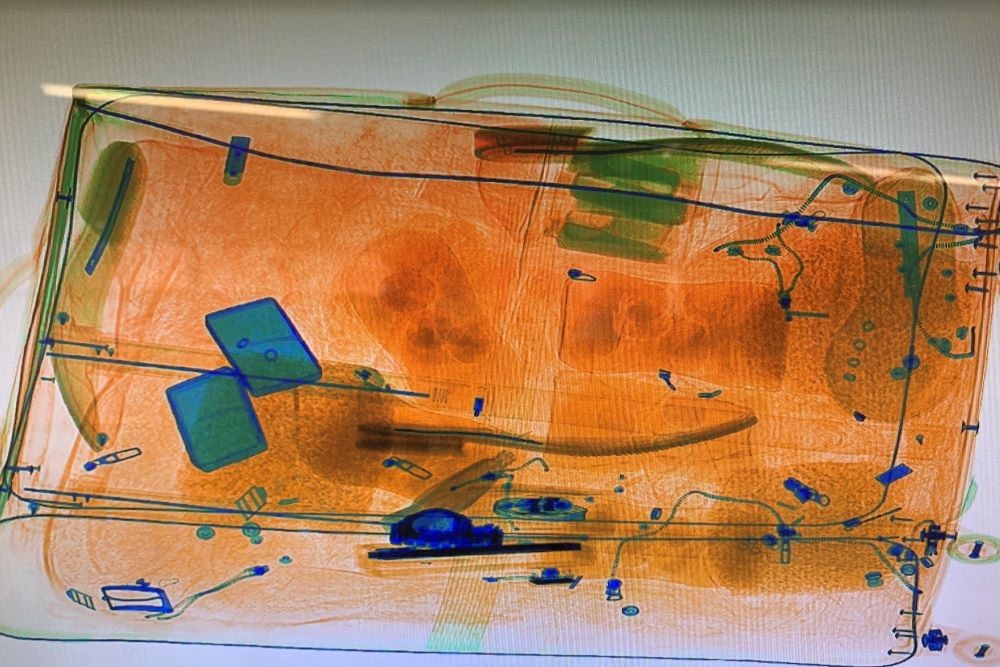
As criminals attempt different concealment methods, Australia’s biosecurity capabilities continue to improve. The department now uses highly advanced tools including X-ray screening to detect risks at the border.

Though our biosecurity system is robust and our officers vigilant, it only takes a single infected egg to put Australia’s poultry industry, animal health and our food security at serious risk.

We need everyone to help protect Australia by keeping an eye out for suspicious activities.

If you know someone who is not doing the right thing – report it. Call our REDLINE: 1800 803 006.
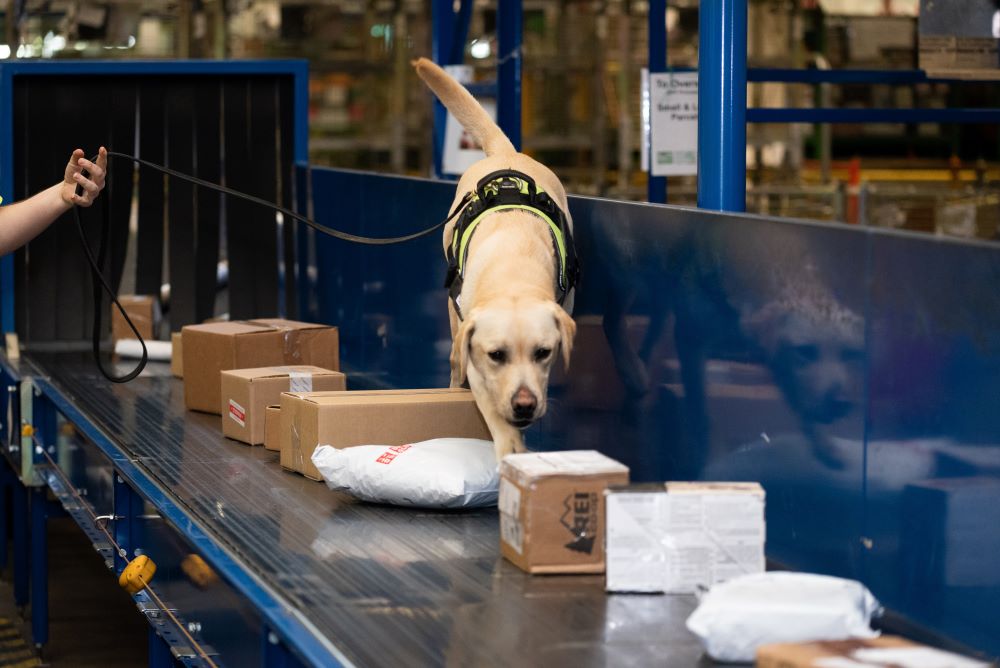
A detector dog sniffing packages
Detector dog at work
 
X-ray of container of hatching eggs
X-ray reveals illegally hidden eggs
 
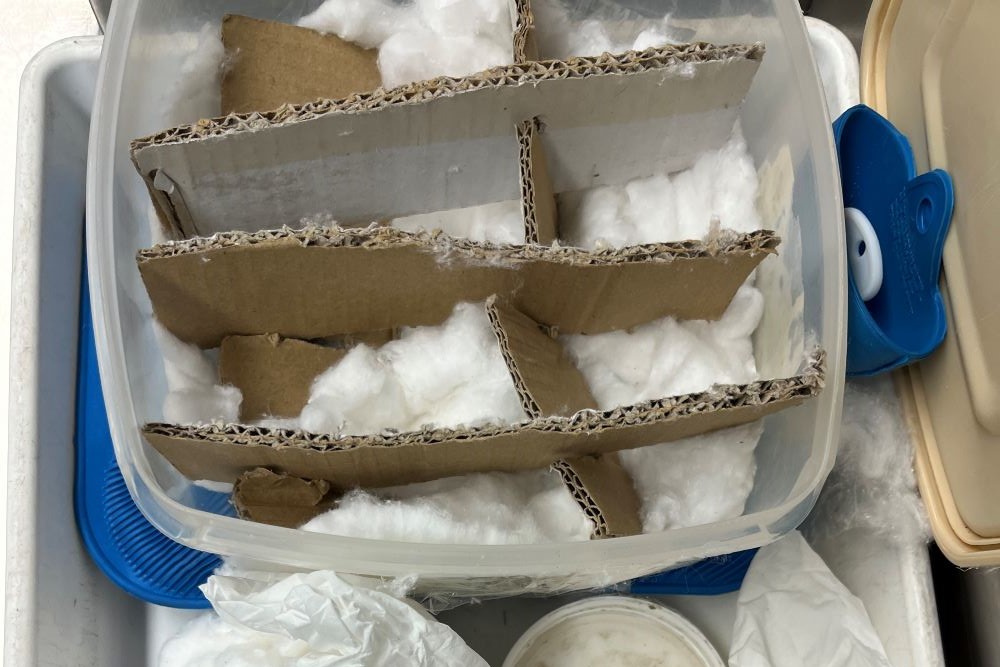
Cardboard and cotton wool packaging
Packing that contained illegally imported eggs
 
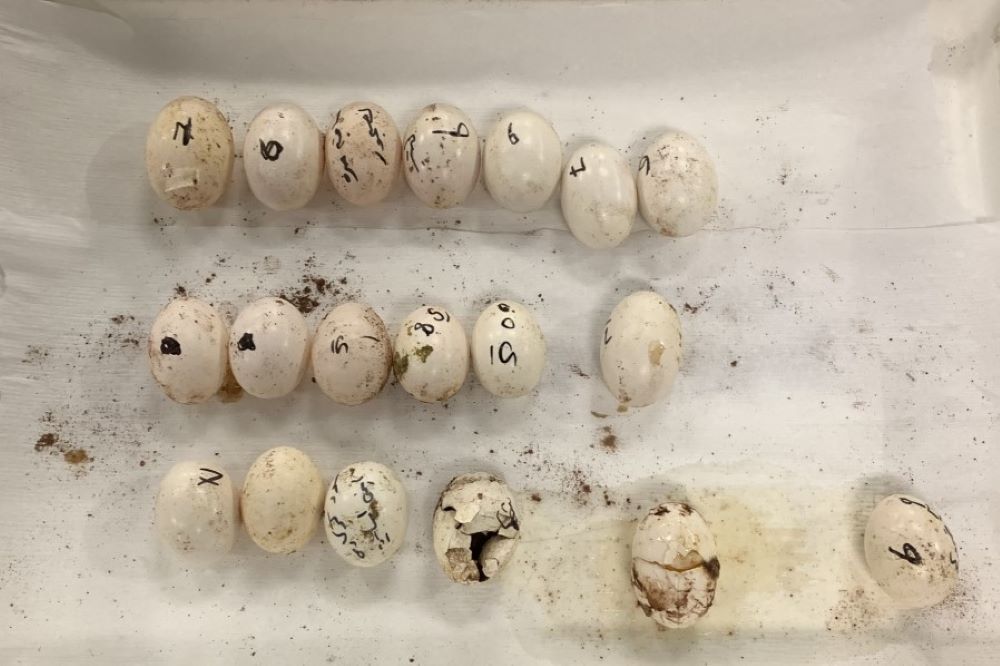
19 eggs in various states of hatching
Illegally imported eggs
 

Hatching eggs can be legally imported if the right conditions are met. Read our notice to find out how you can legally import hatching eggs: Notice to Industry – Fertile hatching egg (poultry) imports

  • Share on Facebook
  • Share on Twitter
  • Share on LinkedIn
  • Email
  • Copy link

Related

Decorative image

Importing cats and dogs into Australia from the Middle East

  • News
  • Biosecurity
20 March 2026
Decorative image

New Junior Biosecurity Officer program teaching resources now available

  • Newsletter
  • Biosecurity
17 March 2026
Decorative

Smarter planning for animal disease threats

  • News
  • Animals
11 March 2026
Thanks for your feedback.
Thanks! Your feedback has been submitted.

We aren't able to respond to your individual comments or questions.
To contact us directly phone us or submit an online inquiry

CAPTCHA
This question is for testing whether or not you are a human visitor and to prevent automated spam submissions.

Please verify that you are not a robot.

Skip
Page last updated: 27 March 2026

We acknowledge the continuous connection of First Nations Traditional Owners and Custodians to the lands, seas and waters of Australia. We recognise their care for and cultivation of Country. We pay respect to Elders past and present, and recognise their knowledge and contribution to the productivity, innovation and sustainability of Australia’s agriculture, fisheries and forestry industries.

Artwork: Protecting our Country, Growing our Future
© Amy Allerton, contemporary Aboriginal Artist of the Gumbaynggirr, Bundjalung and Gamilaroi nations.

Footer

  • Contact us
  • Accessibility
  • Disclaimer
  • Privacy
  • FOI

© Department of Agriculture, Fisheries and Forestry

Facebook X LinkedIn Instagram